
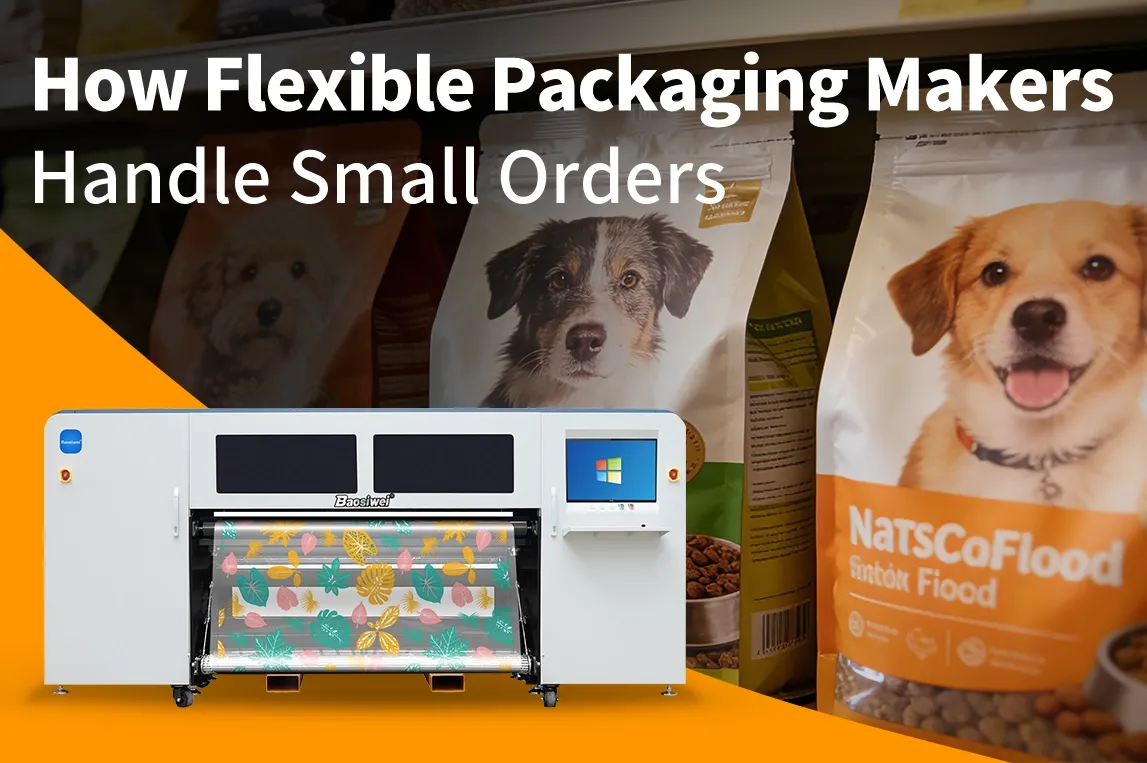
From Thousands to Hundreds: Why Flexible Packaging Factories Are Now Accepting Small Orders
From Thousands to Hundreds: Why Flexible Packaging Factories Are Now Accepting Small Orders
Custom flexible packaging is not a new concept. But recently, one major change is happening across the industry: minimum order quantities are dropping dramatically.
In the past, most flexible packaging manufacturers only accepted orders starting from several thousand or even tens of thousands of bags. These factories mainly served large brands with stable supply chains and predictable demand.
Today, the situation is changing.
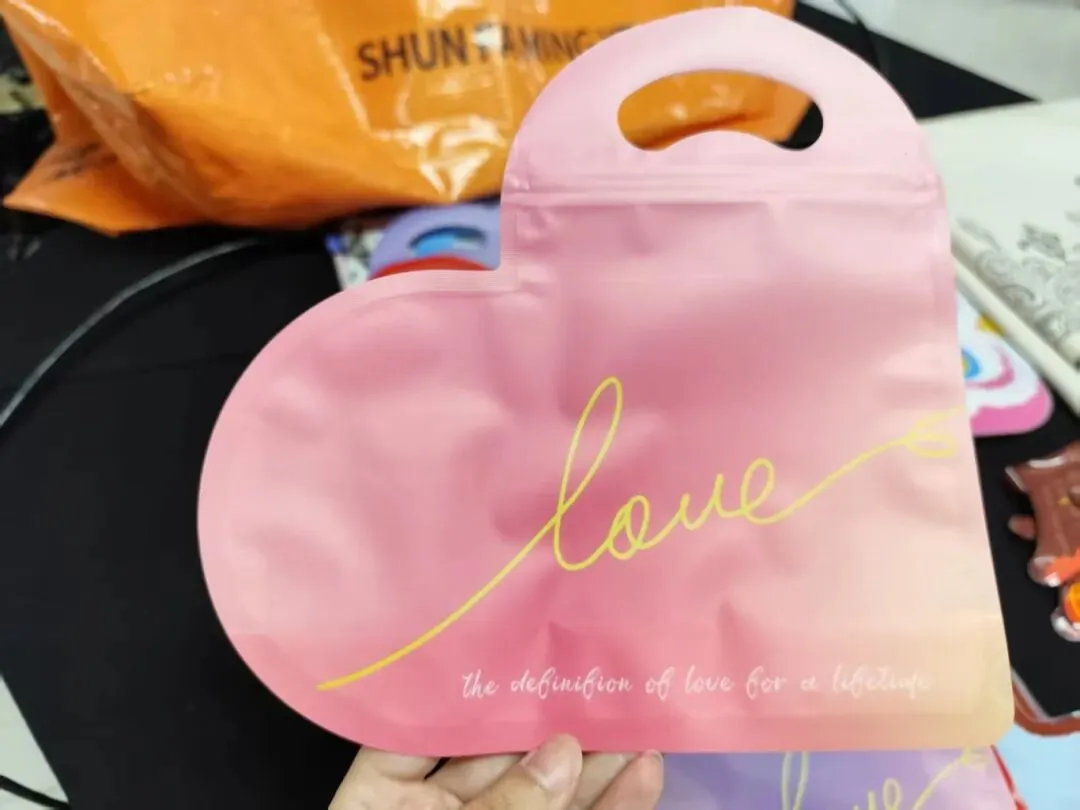
More and more packaging factories are introducing “no plate fee”, “short-run packaging”, and “custom packaging for small brands” services. Some manufacturers can now accept orders starting from just a few hundred pieces.
For many industry professionals, this shift is more than a sales strategy—it reflects a structural transformation in packaging production.
So the key question is:
Why are flexible packaging factories suddenly willing to accept small batch orders? And how are they able to produce them efficiently?
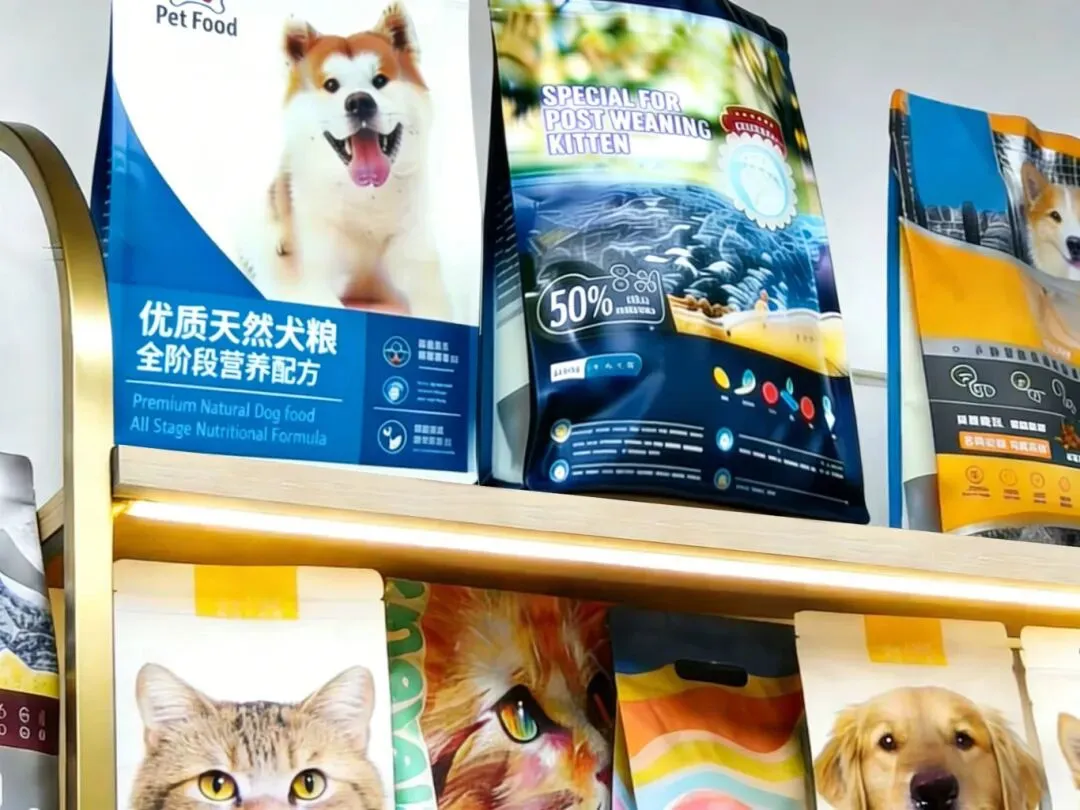
Why Flexible Packaging Demand Is Shifting Toward Smaller Orders
The demand structure of the packaging industry is changing rapidly.
On one hand, large-volume orders from traditional brands are growing more slowly. On the other hand, demand for short-run packaging and customized packaging is increasing quickly.
These small batch orders typically come from:
- Startup brands testing new products
- E-commerce businesses launching promotional packaging
- SMEs preparing marketing materials
- Seasonal or event-based packaging
- Cross-border e-commerce brands requiring customized bags
These orders usually share several characteristics:
- Small quantities
- Multiple design variations
- Tight delivery schedules
According to the Smithers Packaging Market Report, the proportion of short-run packaging jobs in the global flexible packaging market continues to increase and is expected to grow steadily over the next five years.
For packaging factories, however, these small orders used to be difficult to handle.
The main reason lies in traditional printing technology.
Why Traditional Printing Struggles with Small Batch Packaging
Most flexible packaging factories rely on gravure printing or flexographic printing.
These technologies are extremely efficient for large-volume production but face significant limitations when handling small runs.
High Plate-Making Cost
Gravure printing requires engraved cylinders, and each design may cost hundreds or even thousands of dollars.
For a small order of a few hundred bags, the plate cost alone can exceed the total value of the order.
Long Setup Time
Changing plates and adjusting colors may take several hours before stable production begins.
For small orders, setup time often exceeds actual production time.
High Material Waste
During color adjustment and registration, a large amount of material is consumed before reaching production quality.
As a result, many factories historically had only two options:
- Set high minimum order quantities
- Reject small orders entirely
However, this strategy has its own cost.
Many factories discovered that some of their largest long-term clients actually started with small trial orders.
Industry statistics show that around 10% of small packaging orders eventually develop into large-scale production contracts.
When a factory rejects small orders, it may not just lose a small job—it may lose the opportunity to enter a brand’s long-term supplier list.
To solve this problem, many factories began searching for a new production solution.
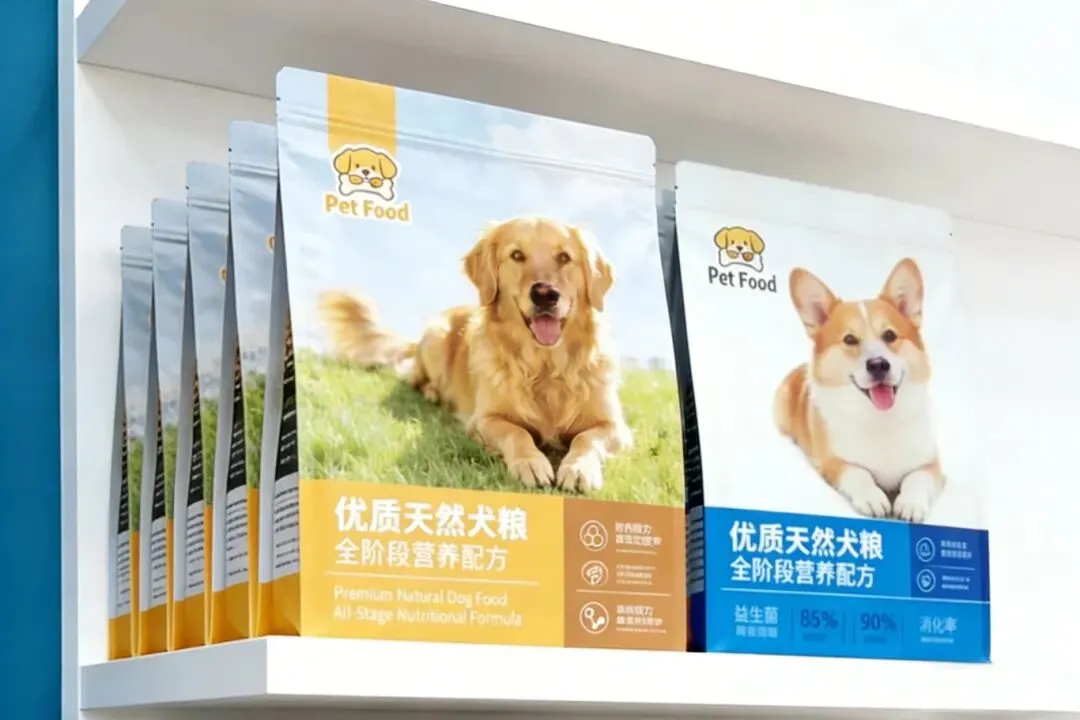
Digital Printing: The Key to Flexible Packaging for Small Orders
The real breakthrough comes from digital printing technology.
Digital printing allows flexible packaging factories to produce short-run packaging without the limitations of traditional printing processes.
Compared with conventional printing, digital printing offers several advantages.
No Printing Plates Required
Digital printing transfers designs directly from digital files to the printing material.
This eliminates:
- Plate-making costs
- Long preparation times
- Design change limitations
Factories can easily switch between different designs within minutes.
Faster Job Switching
Since designs are controlled digitally, switching from one order to another only requires loading a new file.
This allows factories to handle multiple small orders within a single production shift.
Unlimited Color Possibilities
Digital printing does not have strict color limitations like traditional printing.
Gradients, complex graphics, and brand visual elements can be reproduced accurately, making it ideal for modern brand packaging design.
According to Allied Market Research, the global digital printing packaging market is expected to exceed $40 billion by 2030.
This trend shows that digital printing is becoming a critical technology in the packaging industry.
How Baosiwei Digital Printing Supports Small-Batch Flexible Packaging
In real production environments, small batch orders require not only flexible technology but also highly stable equipment.
Factories often face challenges such as:
- Frequent film changes
- Multiple order scheduling
- Short delivery times (sometimes within 7 days)
- Strict brand color requirements
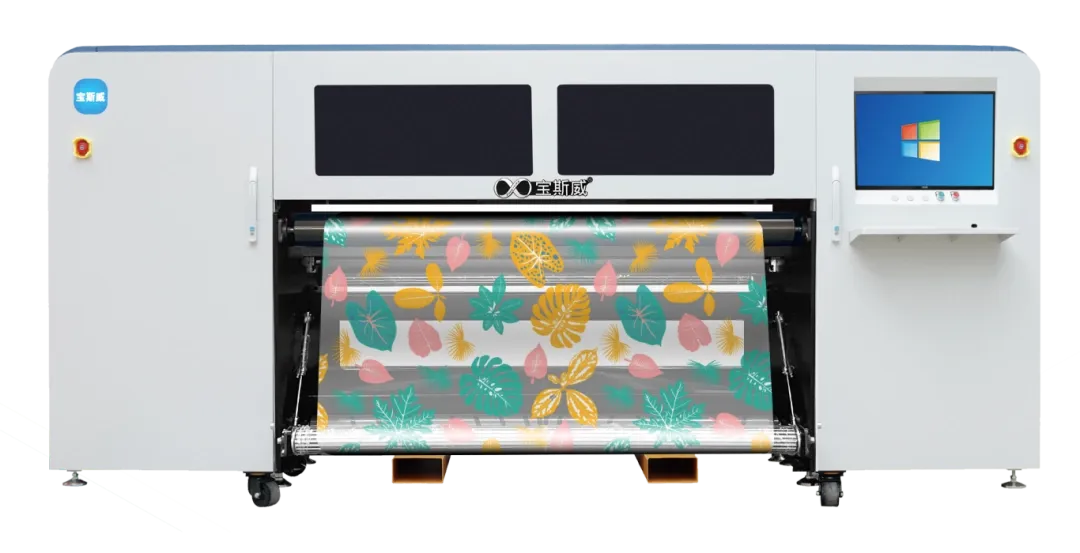
Baosiwei’s digital printing solution for flexible packaging is designed specifically for these production scenarios.
High Production Efficiency
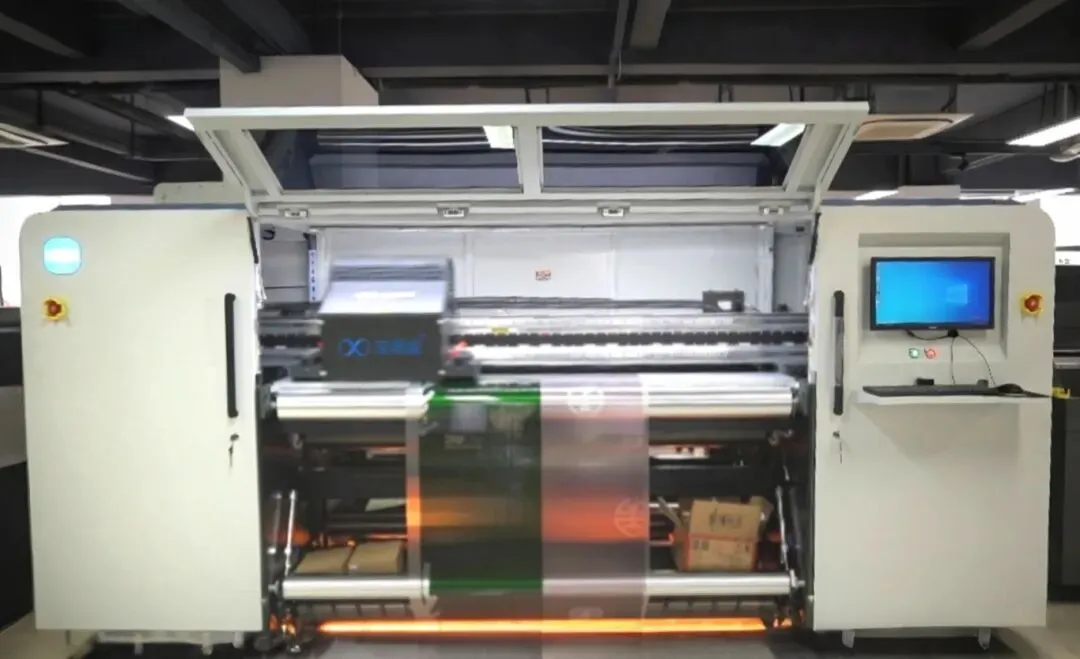
The system uses 16 Epson i3200 industrial printheads, combined with a stable rubber roller feeding system.
Printing speed can reach:
200–300 square meters per hour
This production capacity allows factories to complete multiple short-run packaging orders efficiently.
Flexible and Accurate Color Reproduction
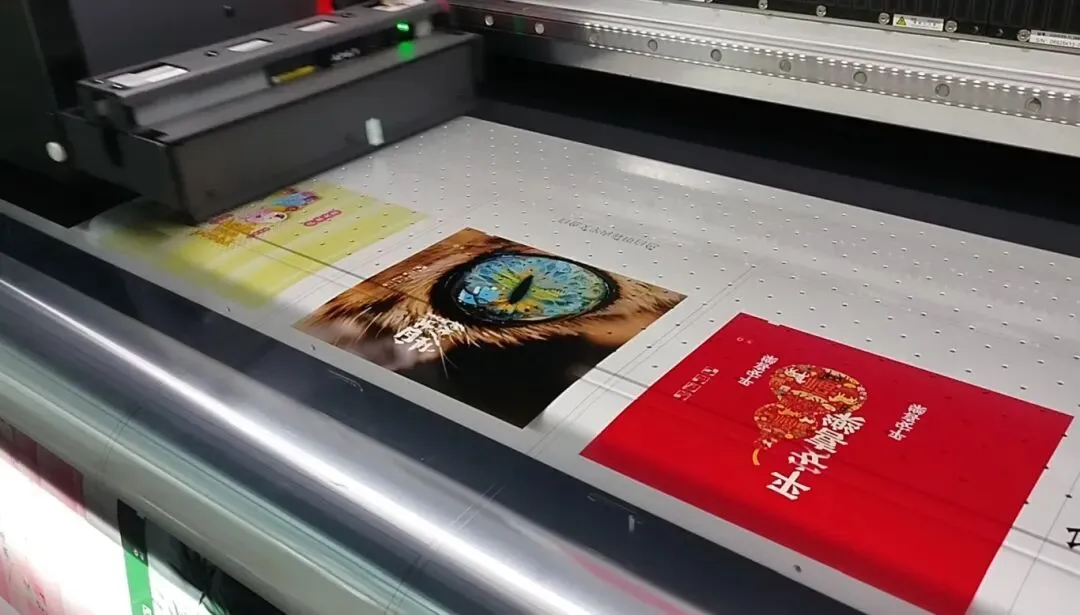
Digital printing supports unlimited color combinations.
Whether printing:
- Brand logos
- Gradient backgrounds
- Promotional campaign graphics
the system can reproduce designs accurately and consistently.
This is particularly important for brands that focus on strong visual identity.
Seamless Integration with Existing Production Lines
Most flexible packaging factories already operate traditional post-processing equipment such as:
- Lamination machines
- Slitting machines
- Bag-making machines
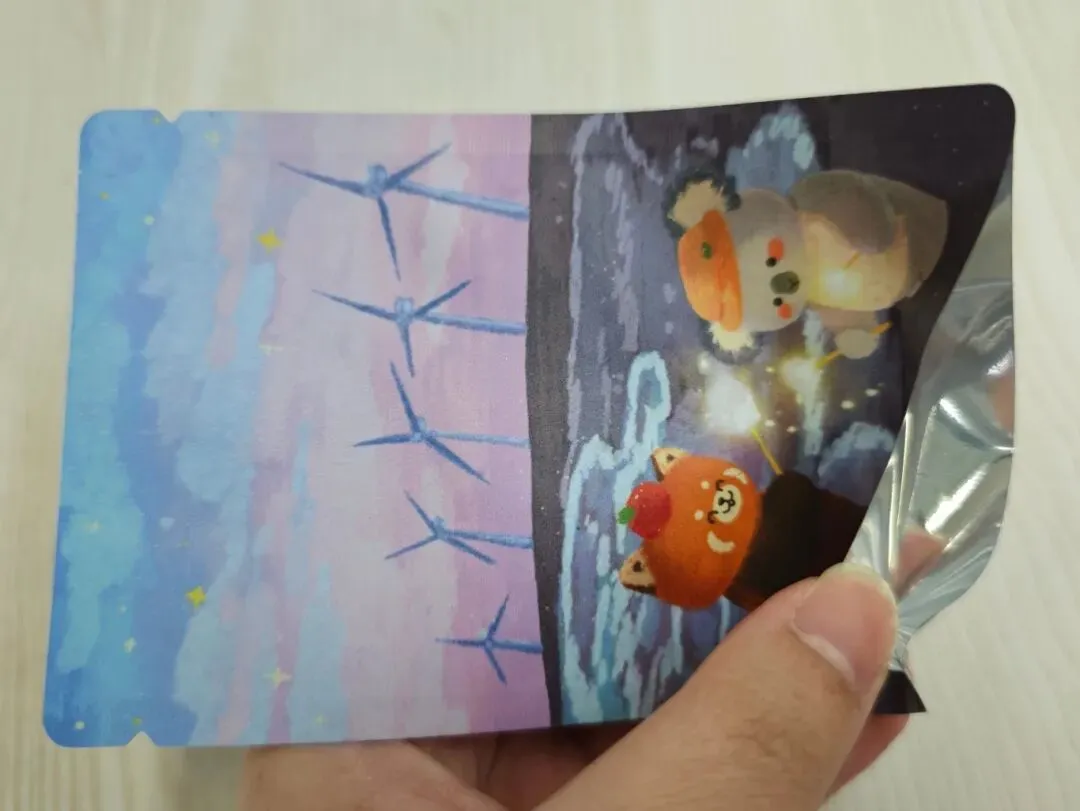
The printed film produced by the Baosiwei digital printer can be directly integrated into these existing processes.
This means factories can add digital printing as a front-end process without rebuilding the entire production line.
Eco-Friendly Ink Suitable for Packaging
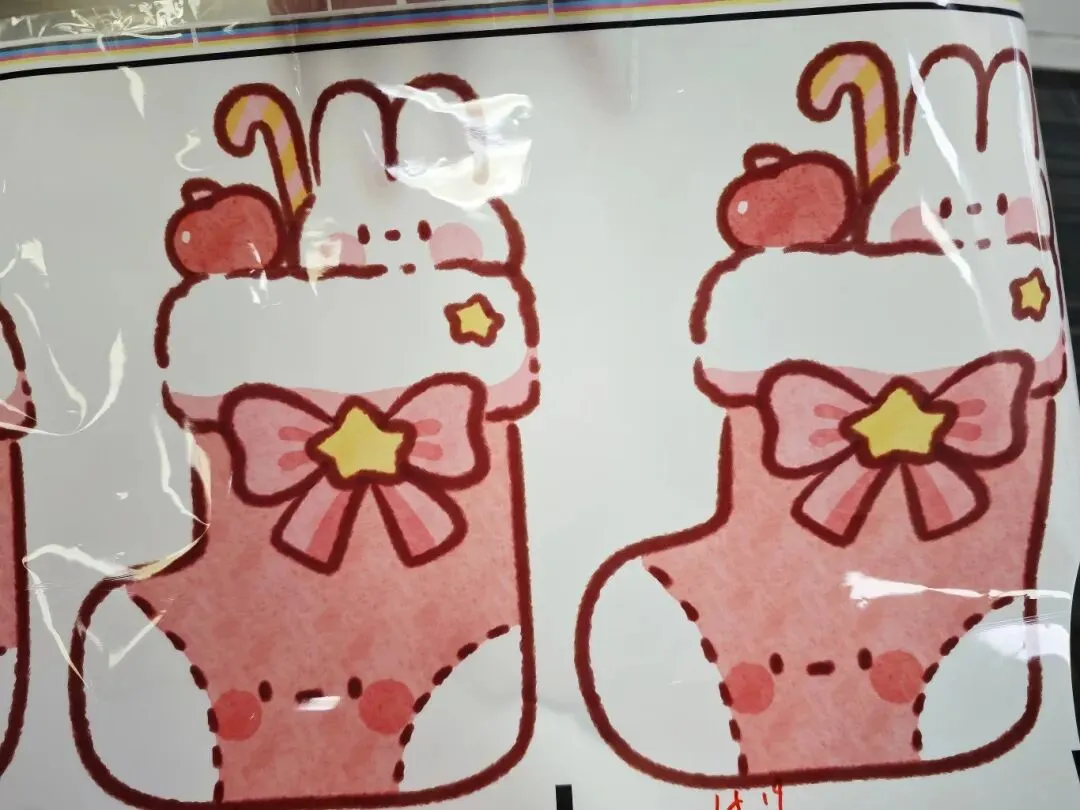
The system uses PET film–compatible ink designed for packaging applications.
Key features include:
- Low odor
- Environmentally friendly formulation
- Compliance with packaging safety requirements
It can be applied in multiple industries, including:
- Daily chemical packaging
- Food outer packaging
- E-commerce packaging
- Promotional packaging
How Flexible Packaging Factories Can Start Small-Batch Production
Installing digital printing equipment is only the first step.
To successfully run a small-batch packaging business, factories also need to consider several factors.
Equipment Reliability
Short-run orders require frequent job switching and continuous operation.
Reliable equipment performance becomes more important than peak speed.
Baosiwei printers are built on 30 years of digital printing application experience and have been tested in real factory production environments.
Operator Training
Small batch production involves more design adjustments and color control.
Operators need skills in:
- File processing
- Color management
- Production scheduling
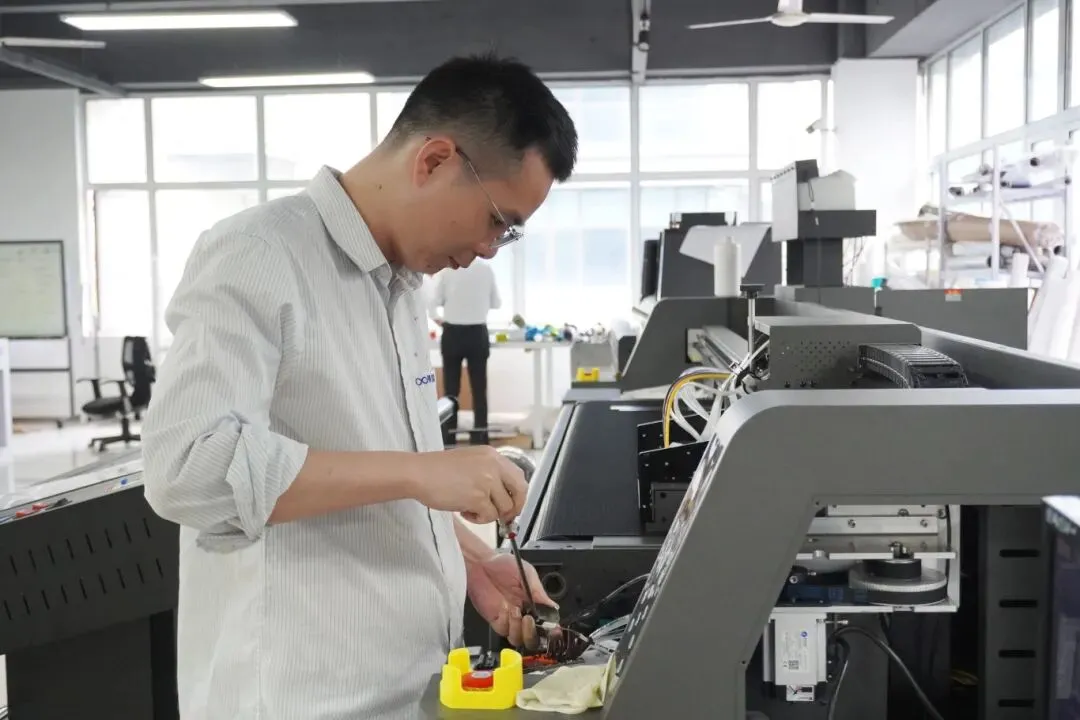
Baosiwei provides a structured training system including:
- Installation guidance
- Practical operation training
- Advanced color management training
After-Sales Service Support
Production downtime directly affects delivery schedules.
Baosiwei offers a multi-level support system including:
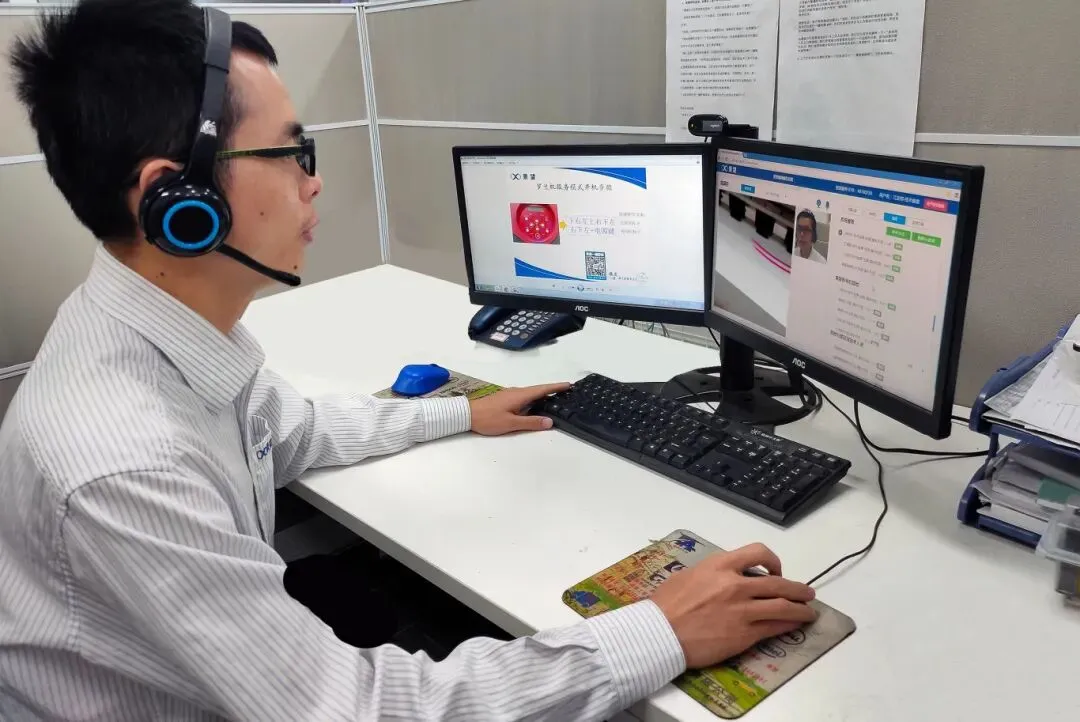
- Online technical support through a service app
- Remote video diagnostics
- 20+ service stations nationwide
- 80+ field engineers
This ensures rapid response and stable production.
Small Orders May Become the Future of Flexible Packaging
In the past, the main competitive advantage of packaging factories was large-scale production capacity.
Today, brands increasingly demand:
- Small batch packaging
- Customized designs
- Fast product testing
Factories capable of supporting both large-scale production and flexible small-batch manufacturing will gain a significant competitive advantage.
For many packaging manufacturers, small orders are no longer marginal business.
They may become the first step toward long-term partnerships with emerging brands.