
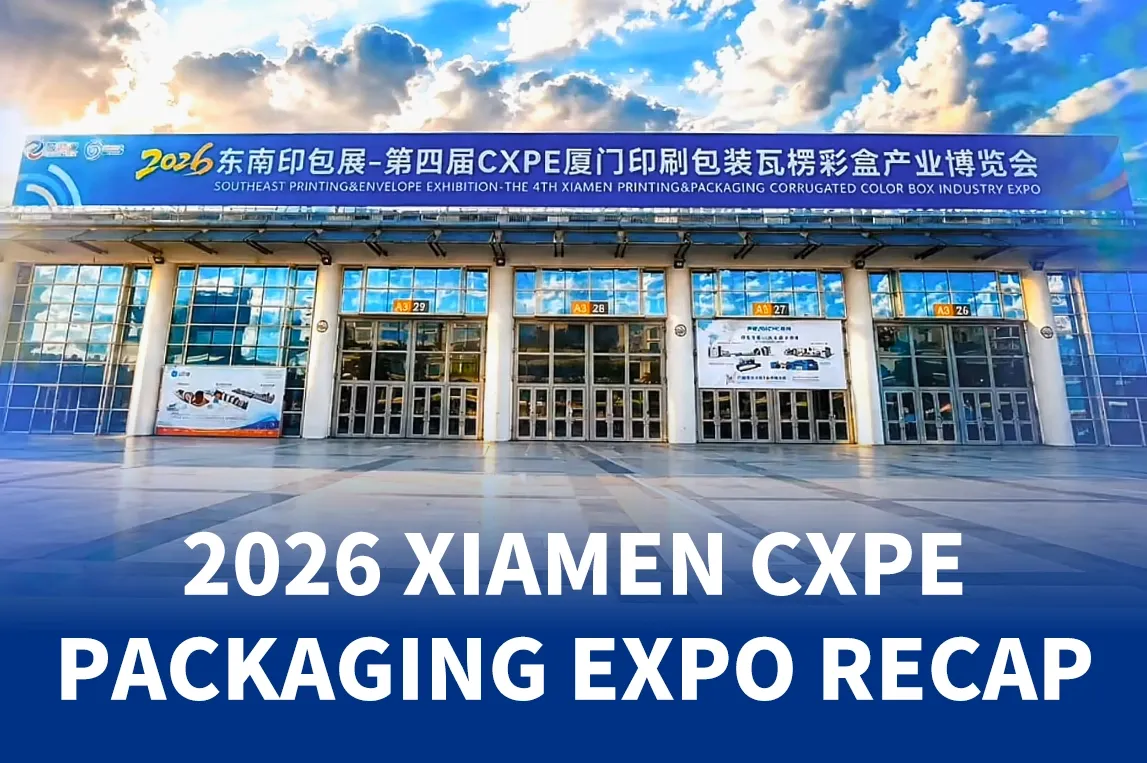
Baosiwei Showcases Digital Packaging Printing Solutions at Xiamen Packaging & Printing Expo 2026
Baosiwei Showcases Digital Packaging Printing Solutions at Xiamen Packaging & Printing Expo 2026
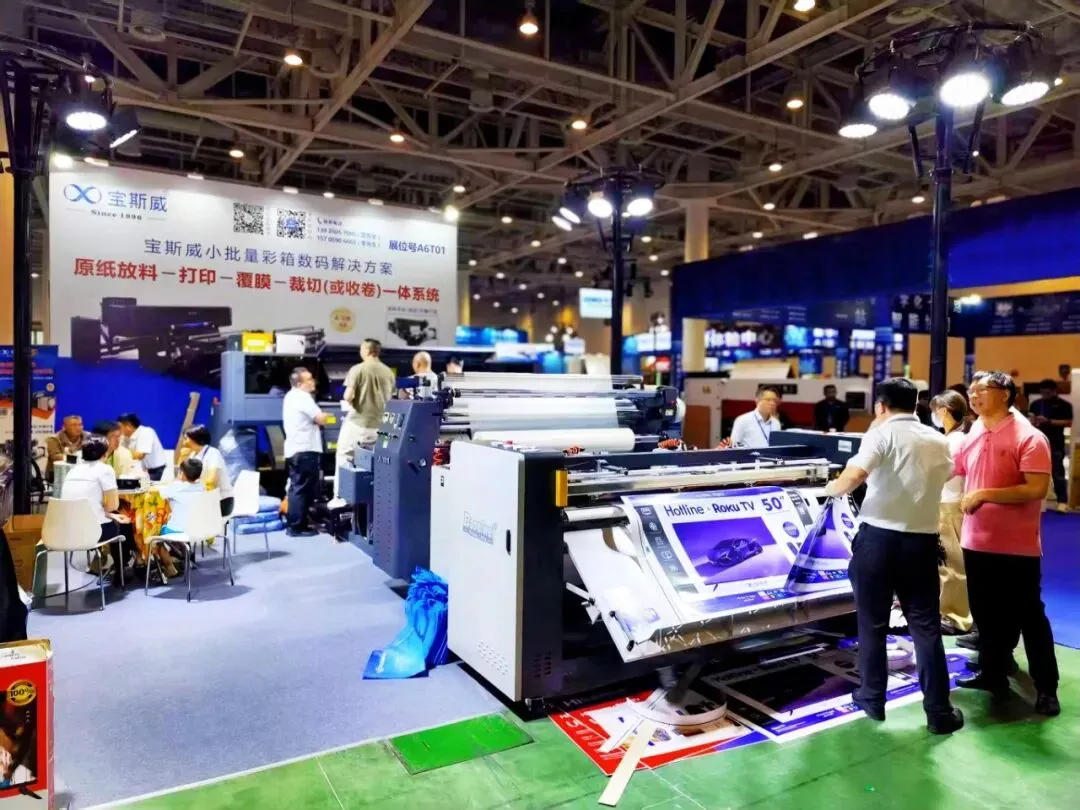
The 2026 Xiamen Packaging & Printing Expo has successfully concluded after three days of industry discussions, live demonstrations, and technical exchanges.
At the exhibition, Baosiwei focused on one of the most common challenges facing packaging manufacturers today: how to handle short-run, customized packaging orders while keeping production stable and costs under control.
Instead of presenting digital printing as simply another printing method, Baosiwei demonstrated a complete production workflow covering digital printing, lamination, and cutting, showing how packaging factories can make short-run orders more practical to produce.
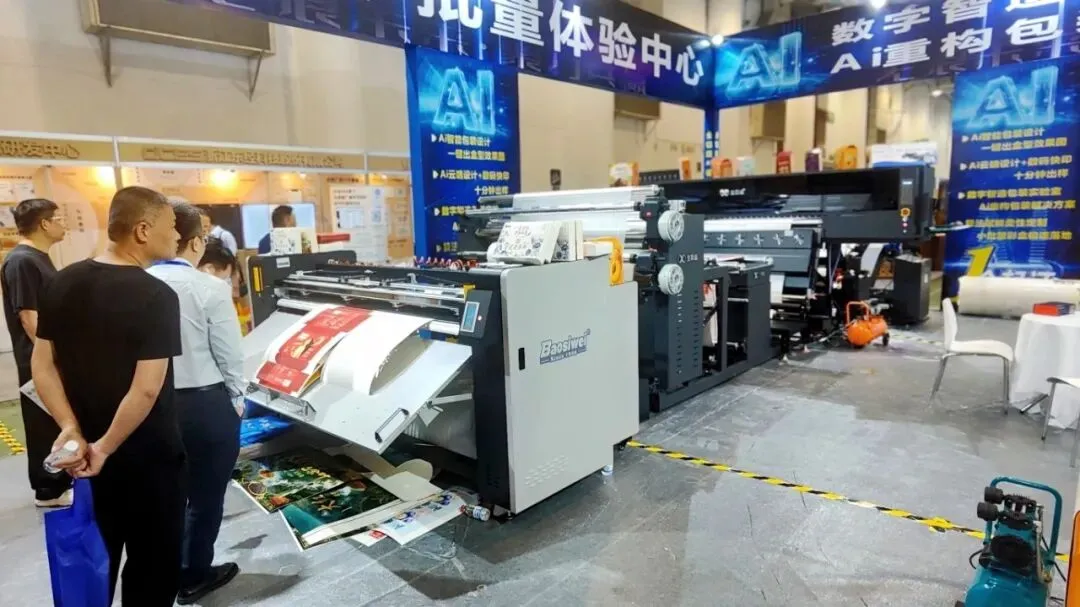
The exhibition also featured an AI-assisted digital packaging workflow demonstrated together with Lianfu, covering the process from packaging design to a finished box.
Industrial Digital Printing Equipment Designed for Real Factory Production
For packaging manufacturers, the challenge with short-run orders is not simply whether a machine can print the artwork.
The bigger question is whether the entire production process can remain stable when order quantities are small, designs change frequently, and delivery times are tight.
This is where digital packaging printing can provide a different production approach.
Compared with workflows that require multiple preparation and processing stages, a digital workflow can reduce the need for lengthy setup when handling customized or short-run packaging jobs.
At the Xiamen exhibition, Baosiwei demonstrated an industrial digital packaging production solution designed around these practical factory requirements.
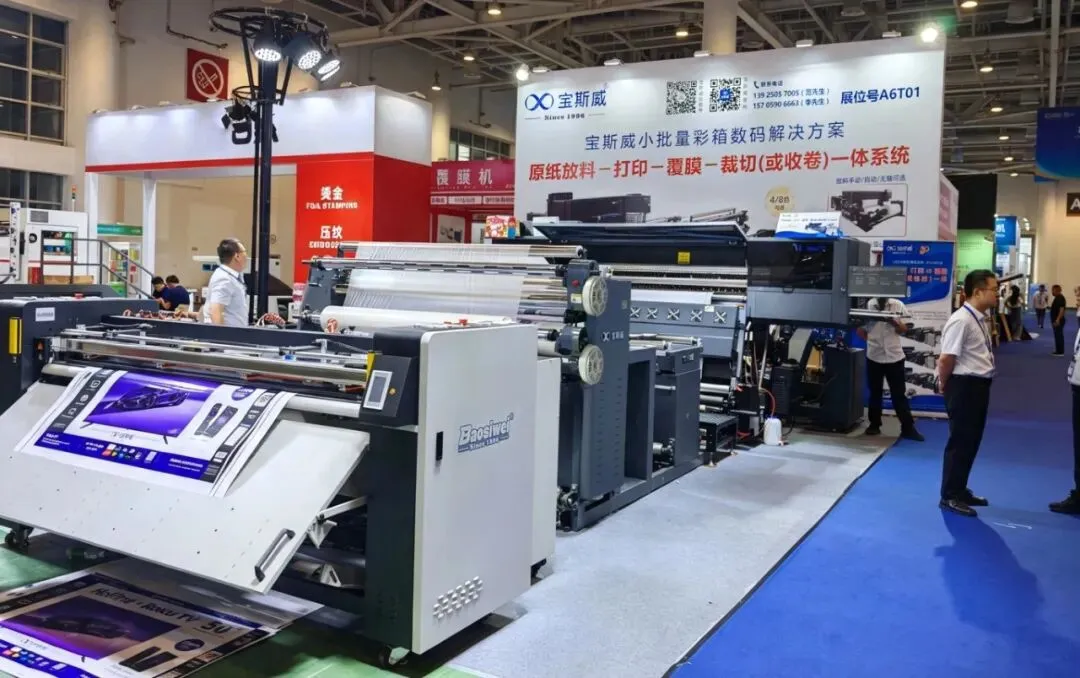
01. Industrial Hardware Architecture for Stable Production
Packaging production often involves heavy rolls of paper and long periods of continuous operation. Equipment stability therefore becomes an important consideration, particularly for factories handling regular short-run orders throughout the day.
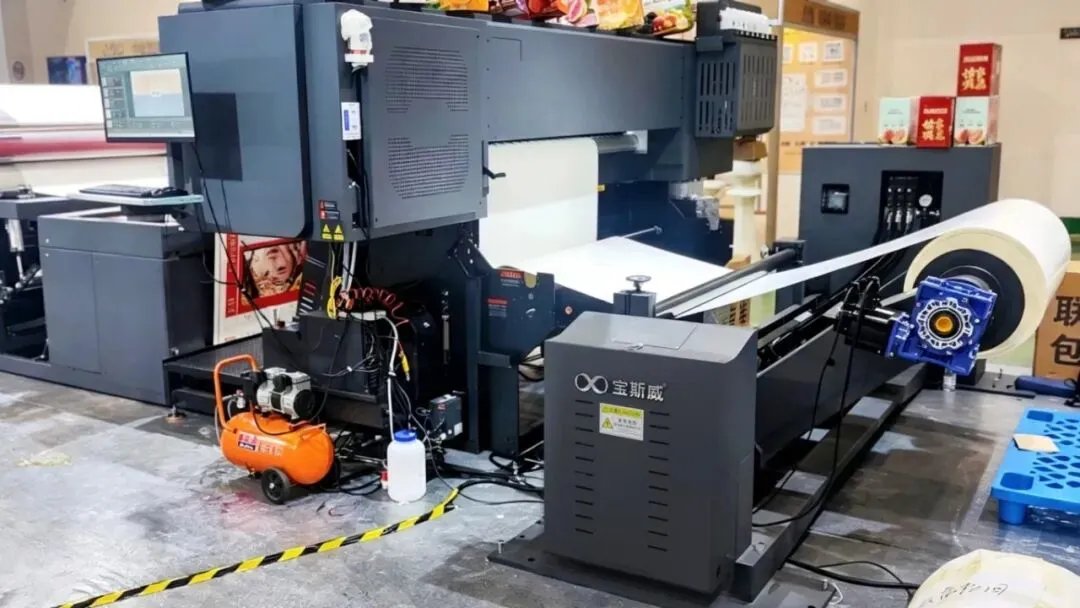
Baosiwei's equipment uses an industrial-grade hardware architecture designed for continuous factory production.
One example demonstrated at the exhibition was the shaftless unwinding system, which can support up to 2 tons of original paper.
This type of configuration is designed to improve material handling stability when processing heavier paper rolls, helping reduce production risks associated with material shifting or falling during operation.
For packaging manufacturers, the purpose is straightforward: keep the production line running consistently rather than treating every small order as a separate production challenge.
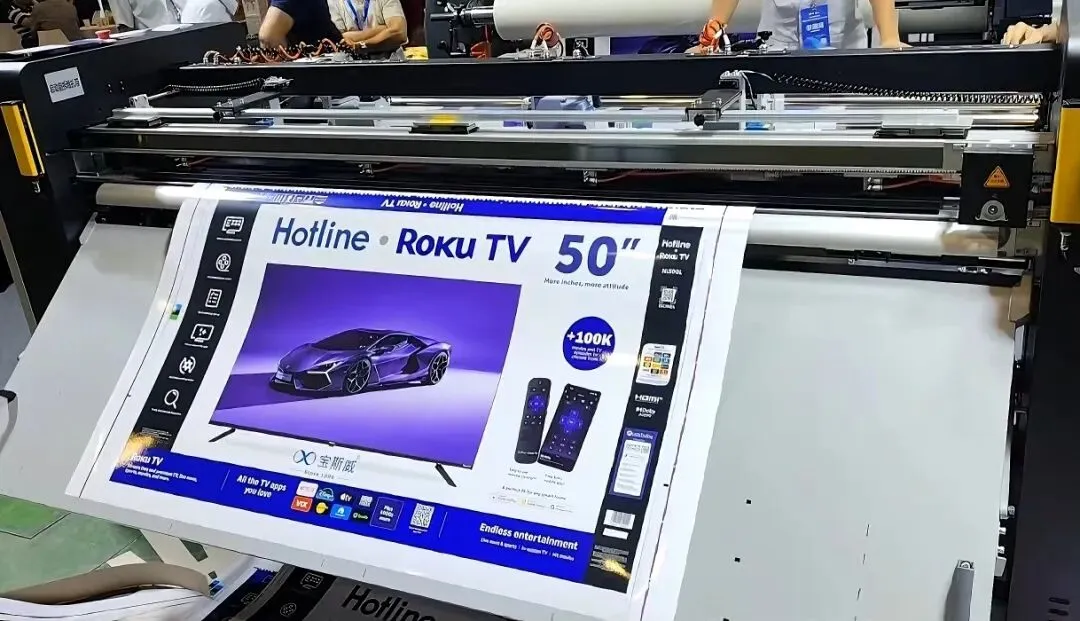
02. Fine Image Quality for Customized Packaging
Short-run packaging is often associated with customized designs, where small text, logos, product information, and detailed graphics need to remain clear after printing.
At the exhibition, Baosiwei demonstrated fine-detail printing with sharp small text and clean edges.
Color reproduction was another focus, particularly for colors that can be more difficult to control consistently, such as purple.
For packaging manufacturers serving customized or higher-value orders, consistent image quality is important because a short production run still needs to meet the same visual standards as a larger order.
The solution is suitable for paper-based packaging production where customized graphics, branding, and variable designs need to be produced without relying solely on long-run conventional printing workflows.
03. Integrated Printing, Lamination and Cutting
One of the key highlights of the exhibition was the integrated workflow combining digital printing, lamination, and cutting.
In a conventional production process, these operations may be divided into multiple stages, requiring material transfer between different machines or workstations.
For short-run packaging, this can create additional handling time and material waste.
An integrated digital workflow can simplify the process:
Digital Printing → Lamination → Precision Cutting → Shape Cutting → Folding → Finished Box
By connecting these processes more closely, packaging manufacturers can reduce unnecessary transfers between production stages and make small orders easier to manage.
This is particularly relevant for factories dealing with:
- Short-run packaging orders
- Frequent artwork changes
- Customized color boxes
- New product packaging
- Orders requiring fast production response
The objective is not simply to increase printing speed, but to make the entire short-run production process more manageable and predictable.
What Problems Can Digital Packaging Printing Solve?
For many packaging factories, short-run orders create a difficult balance.
Customers want customized packaging, lower quantities, faster delivery, and frequent design changes. Traditional production workflows, meanwhile, can become less efficient when order volumes are too small to justify lengthy preparation and setup.
Digital packaging printing provides another option.
It can help manufacturers respond to several practical production challenges:
Small order quantities: Digital workflows are well suited to customized packaging jobs where production quantities are not large enough to justify extensive setup.
Frequent design changes: Different packaging designs can be processed without treating every new design as a major production setup.
Fast product launches: New packaging concepts can move from design to physical samples and short production runs more quickly.
Complex downstream processing: Combining printing with lamination and digital cutting helps reduce the number of separate production steps.
Material waste: A more direct production workflow can help reduce unnecessary material handling and waste associated with multiple processing stages.
For packaging manufacturers, advertising printing companies moving into packaging, and factories developing short-run customized products, this approach provides a way to expand packaging production without relying entirely on traditional long-run workflows.
What Materials Can Be Used for Digital Packaging Printing?
The packaging applications demonstrated at the exhibition were centered on paper-based packaging materials used for color boxes and related packaging products.
Material selection, however, should always be based on the final packaging structure, paper characteristics, ink system, lamination requirements, and cutting process.
For a packaging factory considering digital printing, the key question is therefore not simply whether a material can be printed.
It is whether the complete workflow—from feeding and printing to lamination and cutting—can consistently handle the material used in actual production.
This is particularly important for factories working with different paper specifications or frequently changing packaging designs.
From AI-Assisted Design to Finished Packaging in One Workflow
Another highlight at the exhibition was an AI-assisted digital fast-printing workflow demonstrated together with Lianfu.
The demonstration focused on a practical question:
How can packaging manufacturers shorten the path from a new product idea to a physical packaging sample?
The demonstrated process started with a product photograph and packaging requirements. AI-assisted design was then used to generate a packaging concept, followed by digital production using Baosiwei equipment.
The complete workflow included:
Product Photography & Requirements → AI-Assisted Design → Digital Printing → Lamination → Precision Cutting → Contour Cutting → Folding → Finished Box
In the live demonstration, the AI-assisted design stage could generate a packaging design in around two minutes, after which the design was transferred to the production workflow.
The finished box could then be produced through printing, lamination, precision cutting, and shape cutting before being folded into its final form.
The demonstration took approximately 10 minutes from design concept to finished packaging under the exhibition setup.
The value of this workflow is not simply the time itself.
For packaging manufacturers, the more important point is that design development and physical production can be connected more directly.
This can be useful when a customer needs to test a new packaging concept, launch a new product, modify artwork, or produce a small batch before committing to larger production volumes.
A More Practical Approach to Short-Run Packaging Production
The Xiamen Packaging & Printing Expo provided an opportunity for Baosiwei to exchange ideas with packaging manufacturers and industry professionals about the changing requirements of short-run production.
The discussions and live demonstrations highlighted a clear shift in packaging production:
Small orders are becoming more frequent, product designs are changing faster, and manufacturers need greater flexibility between design and production.
For this type of production environment, digital printing is not necessarily about replacing every conventional packaging printing process.
Instead, it can provide an additional production route for short runs, customized packaging, rapid sampling, and frequent design changes.
The right solution ultimately depends on the packaging material, order volume, product structure, image requirements, and downstream finishing process.
Looking Ahead to Yiwu Packaging & Printing Expo 2026
The 2026 Xiamen Packaging & Printing Expo has come to an end, but Baosiwei's work with packaging manufacturers continues.
The company will continue focusing on practical digital production requirements in packaging factories, including short-run orders, customized packaging, fast response, and integrated post-processing.
The next stop will be the Yiwu Packaging & Printing Expo, September 6–8, 2026.
Baosiwei looks forward to meeting packaging industry professionals in Yiwu and continuing the conversation about how digital printing can be integrated into real-world packaging production.
If you are evaluating digital printing for short-run packaging, color boxes, customized packaging, or a more integrated printing and finishing workflow, contact Baosiwei to discuss your materials, production requirements, and suitable digital printing configuration.