
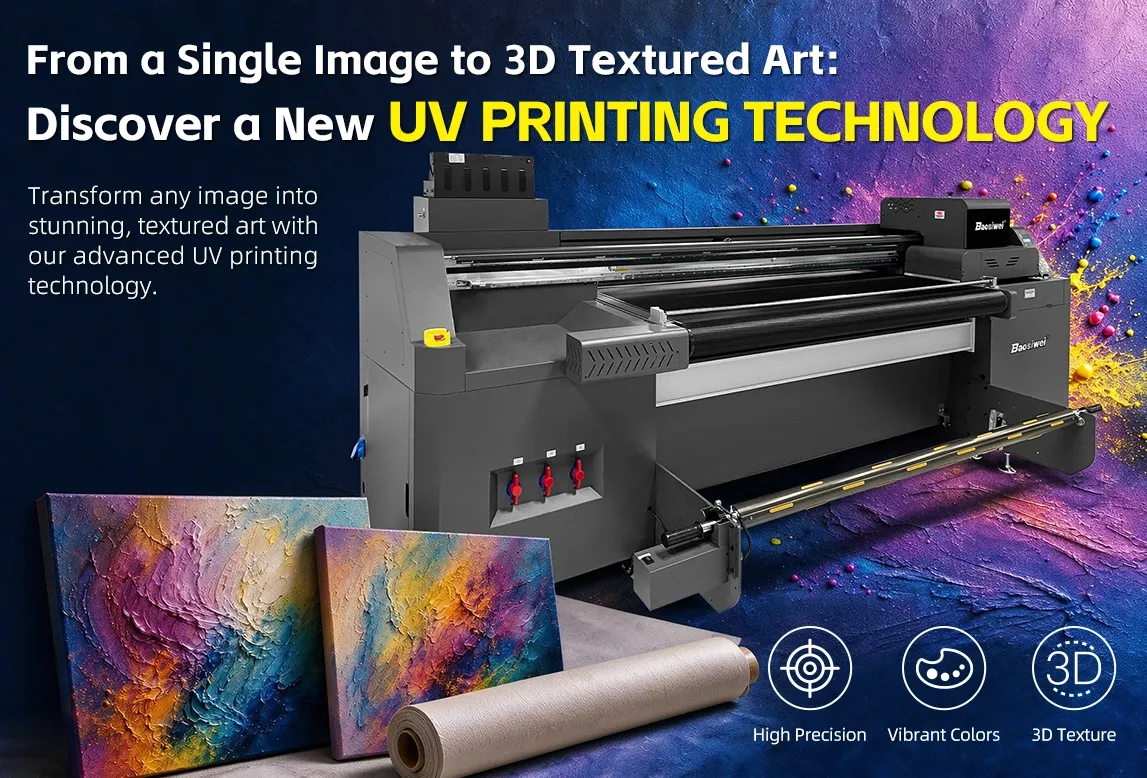
How to Turn a Single Image into 3D Textured Art with UV Printing Technology
How to Turn a Single Image into 3D Textured Art with UV Printing Technology
UV printers are widely used in the decorative art industry to produce textured paintings. However, creating realistic 3D texture effects has traditionally required considerable file preparation and manual work.
Operators often need to adjust artwork repeatedly, build separate relief printing channels, and fine-tune different layers to achieve the desired surface texture. For complex images, this preparation can take a significant amount of time before printing even begins.
A new UV textured printing solution is making this process much easier. With a single image, the accompanying software can automatically generate a 3D texture effect, allowing manufacturers to move from digital artwork to textured prints with far less manual preparation.
Here's how the process works and what it means for textured art production.
1. From a Digital Image to a 3D Texture Effect
The process starts by importing an image into the dedicated texture generation software.
The software automatically analyzes the image and identifies its visual layers, generating a corresponding 3D texture effect. For straightforward designs, the generated file can often be used directly for printing. More complicated artwork may require a few minor adjustments before production.
Once the file is ready, it can be sent to the UV printer.
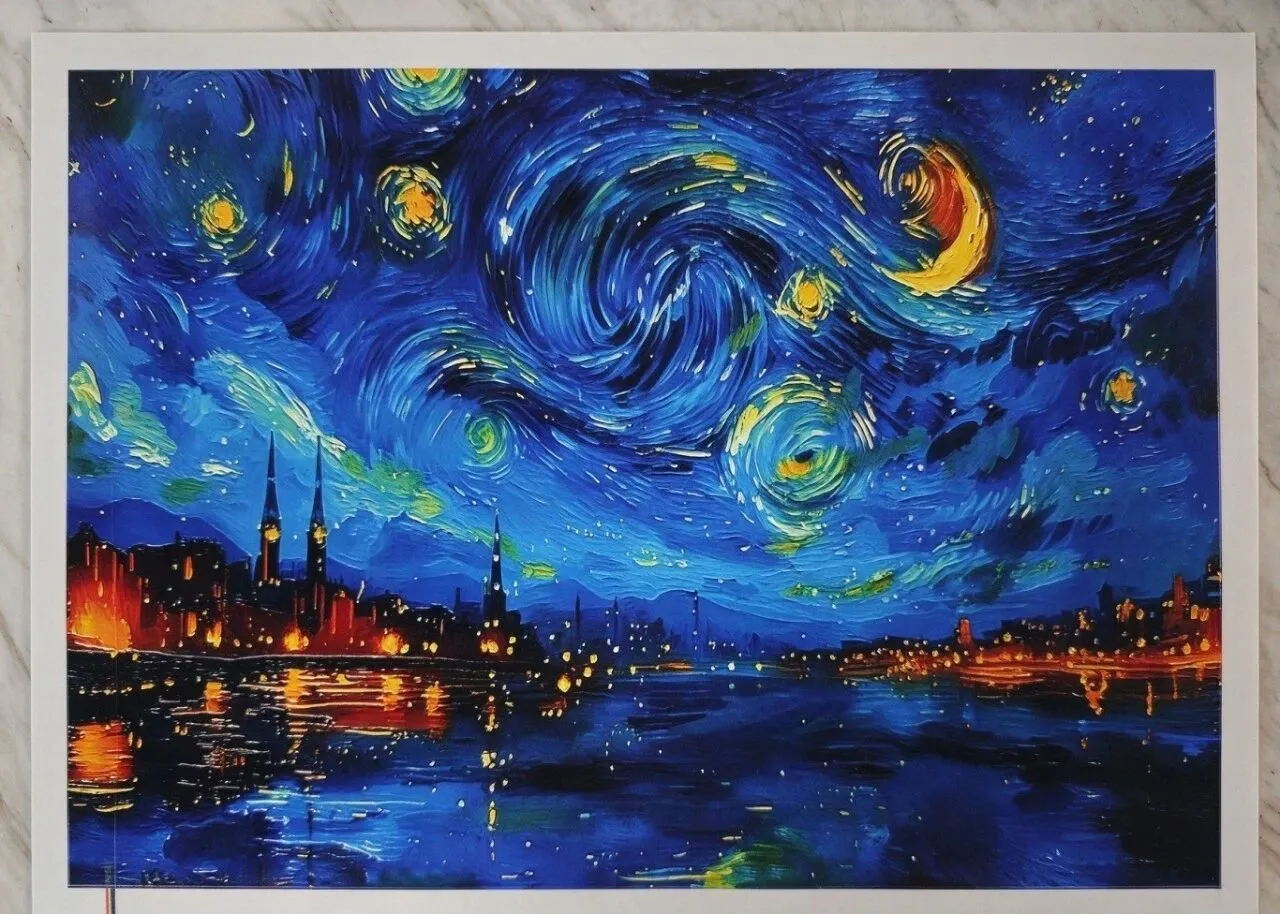
The printer builds up multiple layers of white ink to create raised surfaces and recessed details. Colored inks are then applied to reproduce the original image with sharp details and accurate colors. UV light cures the ink instantly, fixing the printed layers in place and creating a distinct three-dimensional surface.
This combination of layered white ink and full-color printing makes it possible to reproduce a range of artistic finishes, including hand-painted oil painting effects, sandstone textures, and embossed artwork.
The result is a textured print with both visual depth and a tangible surface that customers can see and feel.
2. Less Manual Artwork Preparation, Faster Production
For decorative painting manufacturers, one of the biggest challenges in textured art production is the time required to prepare printing files.
Traditional workflows often depend on experienced operators to manually create relief channels and adjust individual printing layers. This can become a bottleneck when handling complex designs or multiple orders.
The new software-assisted workflow significantly reduces this preparation work.
- Shorter file preparation time: Import an image and let the software generate the initial texture effect, reducing repetitive manual adjustments.
- Lower skill requirements: Operators do not need extensive experience in manually creating texture channels. Basic training is generally sufficient to get started.
- Simpler order processing: Even complex designs can move into production more quickly, making it easier to organize multiple orders.
- Reduced labor input: Less time spent preparing individual files allows staff to focus more on printing and production management.
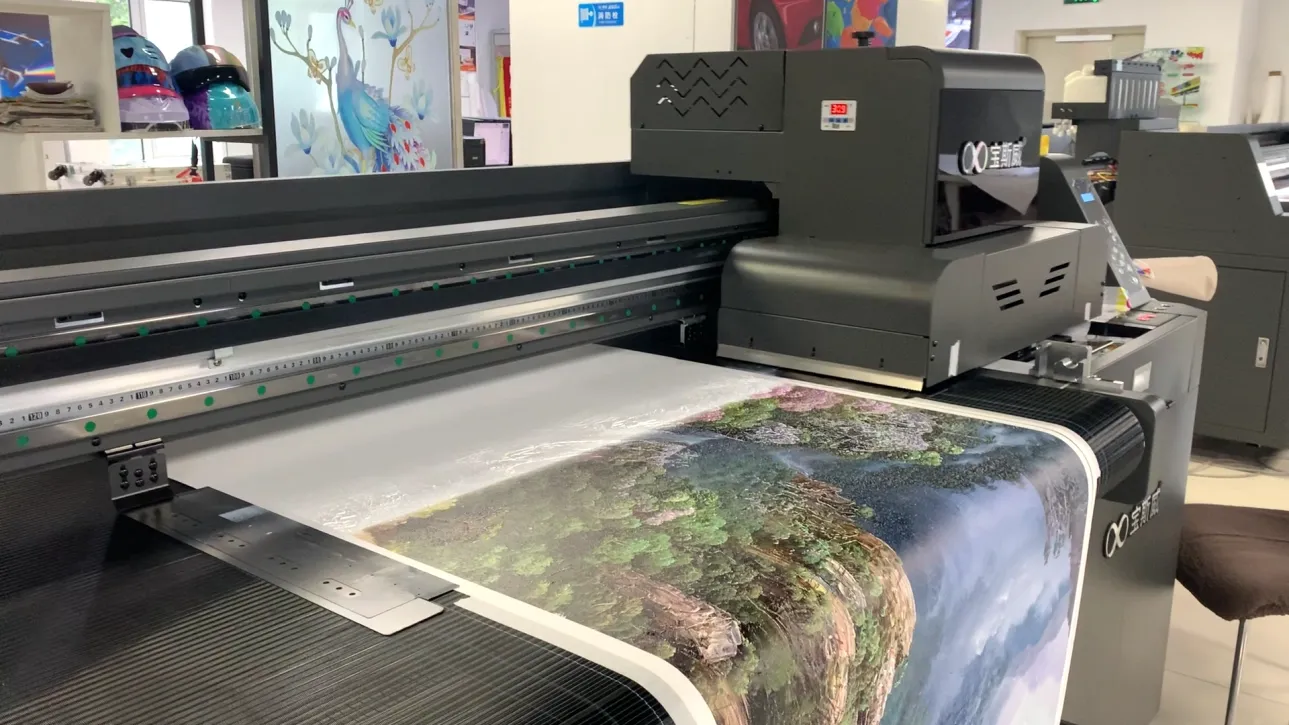
A decorative painting factory in Fujian, China, has already adopted this solution. By importing images directly into the software, the factory can prepare artwork for printing with much less manual intervention. Even orders involving more complicated designs can move into batch production more efficiently.
For manufacturers handling customized artwork and frequent design changes, this improvement can make a noticeable difference to daily production capacity.
3. Applications Across Different Decorative Art Markets
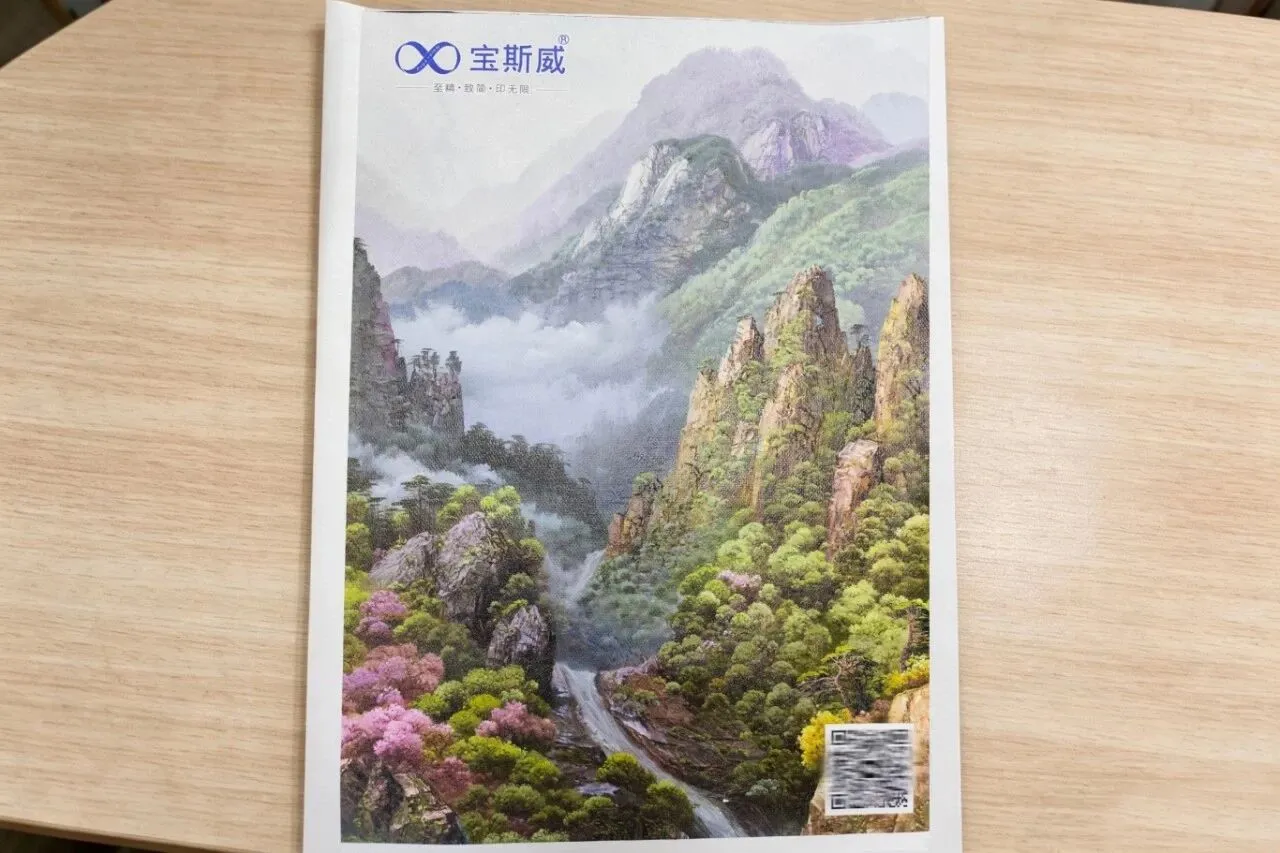
With artwork preparation becoming easier and production more efficient, manufacturers can explore a wider range of textured art products.
The solution supports both flexible materials and rigid boards, offering greater flexibility in product development.
Customized Home Décor
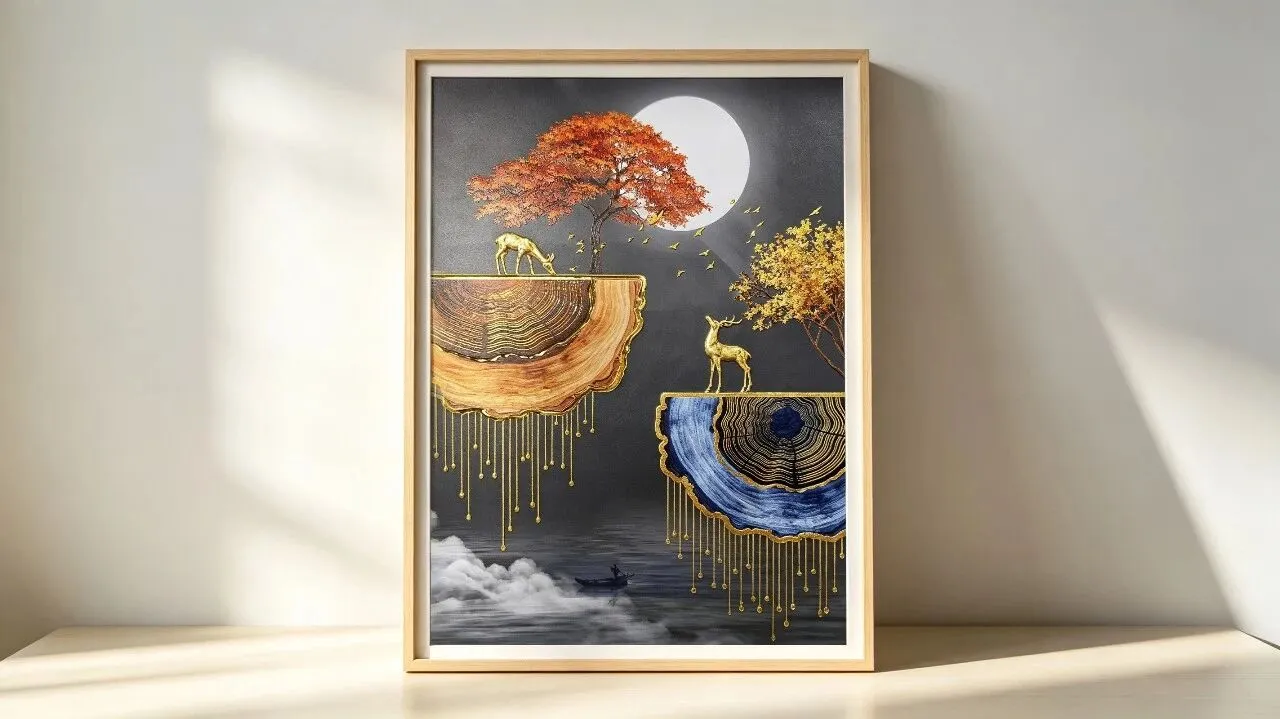
Textured wall art can be produced in different designs, colors, and surface finishes to suit a variety of interior styles. This makes it suitable for customized wall decorations, decorative panels, and personalized artwork.
Commercial Interior Decoration
Hotels, guesthouses, showrooms, offices, and other commercial spaces often require decorative artwork in customized sizes and designs. UV textured printing provides manufacturers with an option for producing large-format murals, decorative screens, and other interior decoration products, including orders for commercial projects.
Creative Products and Personalized Gifts
The technology also opens up opportunities for art prints, decorative pieces, and seasonal gift products. Manufacturers can customize artwork according to customer requirements, creating more distinctive products for the personalized gift and creative merchandise markets.
4. A New Production Option for Textured Art Manufacturers
The ability to generate 3D texture effects directly from digital images changes how manufacturers approach textured art production.
For traditional textured painting factories, it offers a way to simplify existing workflows. For small studios, it provides an opportunity to introduce textured art products without relying heavily on specialized manual file preparation. Interior decoration retailers can also expand their product ranges with customized 3D artwork.
Baosiwei combines UV printing equipment with dedicated texture generation software to provide an integrated solution for textured art production.
If you are planning to upgrade your existing production process or expand into the textured wall art market, contact Baosiwei to learn more about the solution and discuss your application requirements.
Visit the Baosiwei factory in Guangzhou or arrange a sample printing test to see how digital UV printing can be applied to your textured art production.
Website: https://www.baosiwei.com
Email: [email protected]