How to Choose the Right Toy UV Printer: A Practical Guide for Toy Manufacturers
How to Choose the Right Toy UV Printer: A Practical Guide for Toy Manufacturers
The demand for customized toys and short-run toy production has been growing rapidly in recent years. With advantages such as no plate making, instant drying, and compatibility with a wide range of materials, UV printing technology has become an important production tool for toy manufacturers.
However, with so many UV printer models on the market, choosing the right machine can be challenging.
This guide explains the key factors toy factories should consider when selecting a UV printer for toy printing, helping you match the equipment with your actual production needs.
1. Evaluate Your Toy Products First
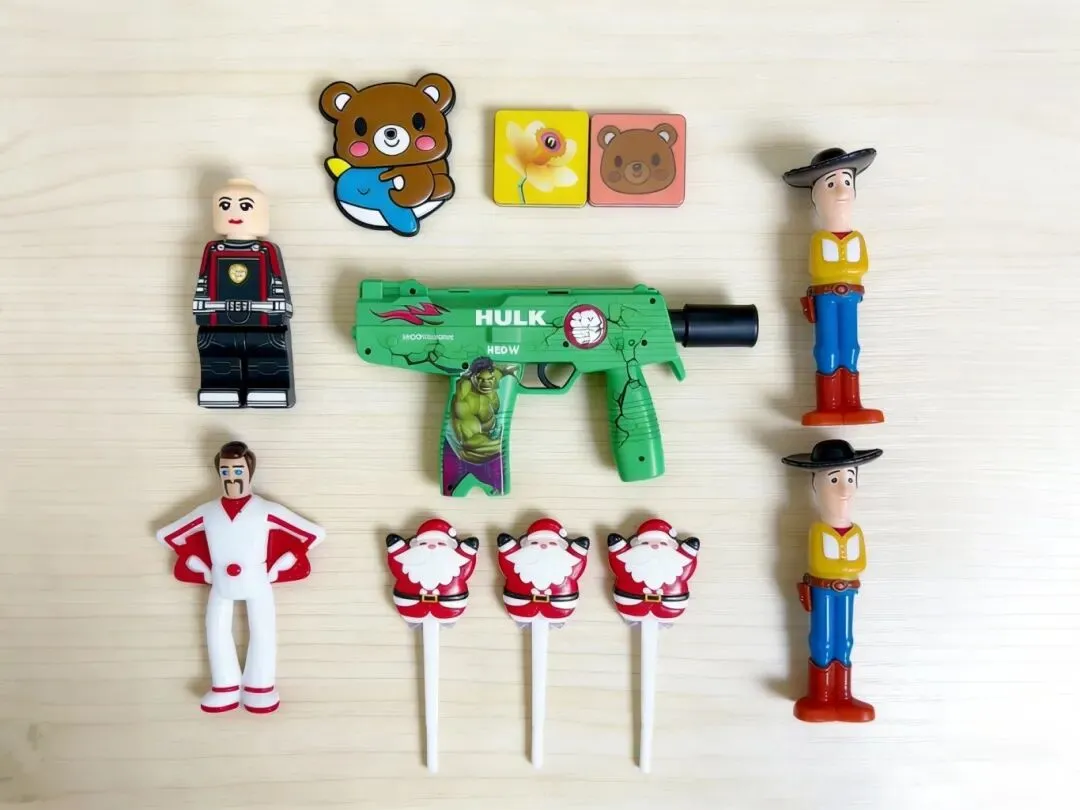
Before selecting a machine, the most important step is to analyze the structure and surface characteristics of your toys.
Surface Flatness Determines Basic Printing Capability
The first factor to consider is whether the toy has significant height differences or uneven surfaces.
Toys with Flat Surfaces
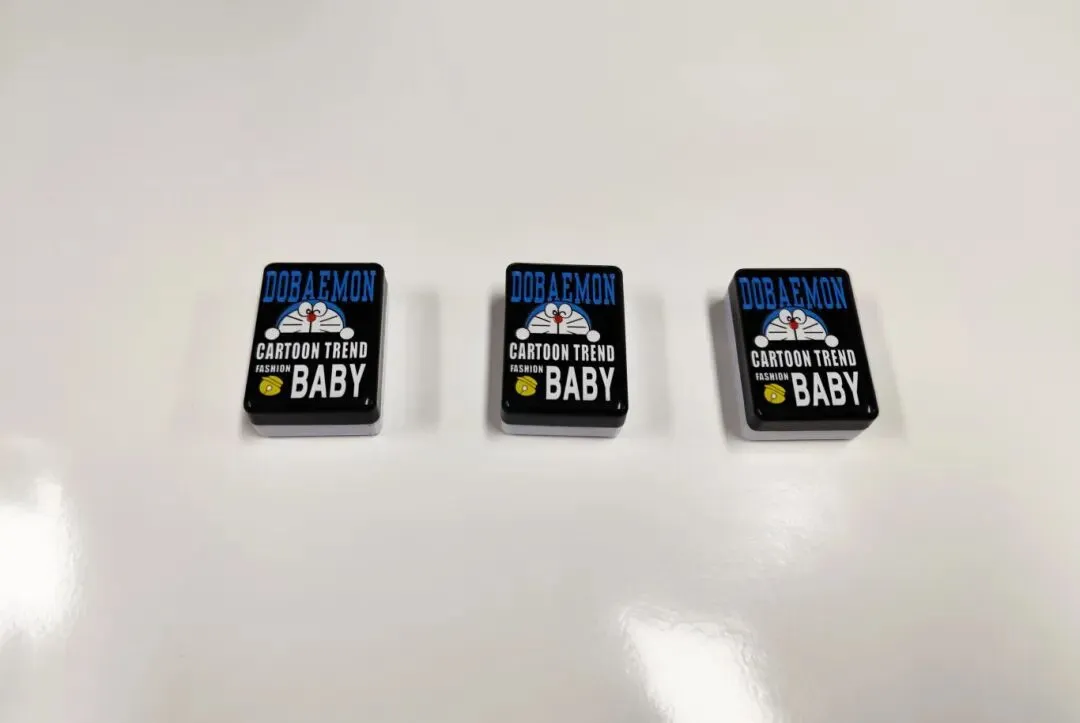
For toys with relatively flat surfaces, such as:
- Building blocks
- Puzzle boards
- Model bases
- Flat toy accessories
A standard industrial UV flatbed printer can easily meet production needs.
These machines deliver:
- Stable flat printing performance
- High pattern precision
- Accurate color reproduction
They are ideal for mass production of standardized toy products.
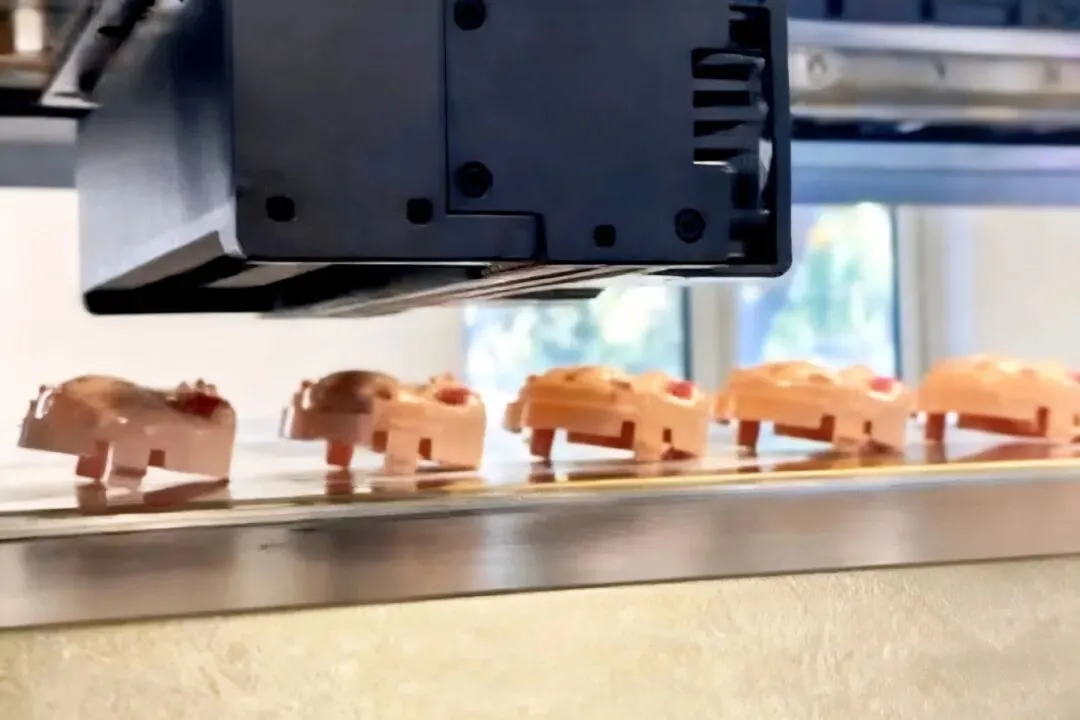
Toys with Height Differences or Irregular Shapes
For toys with noticeable surface height differences, such as:
- Toy cars
- Figurines
- Doll components
- 3D toy structures
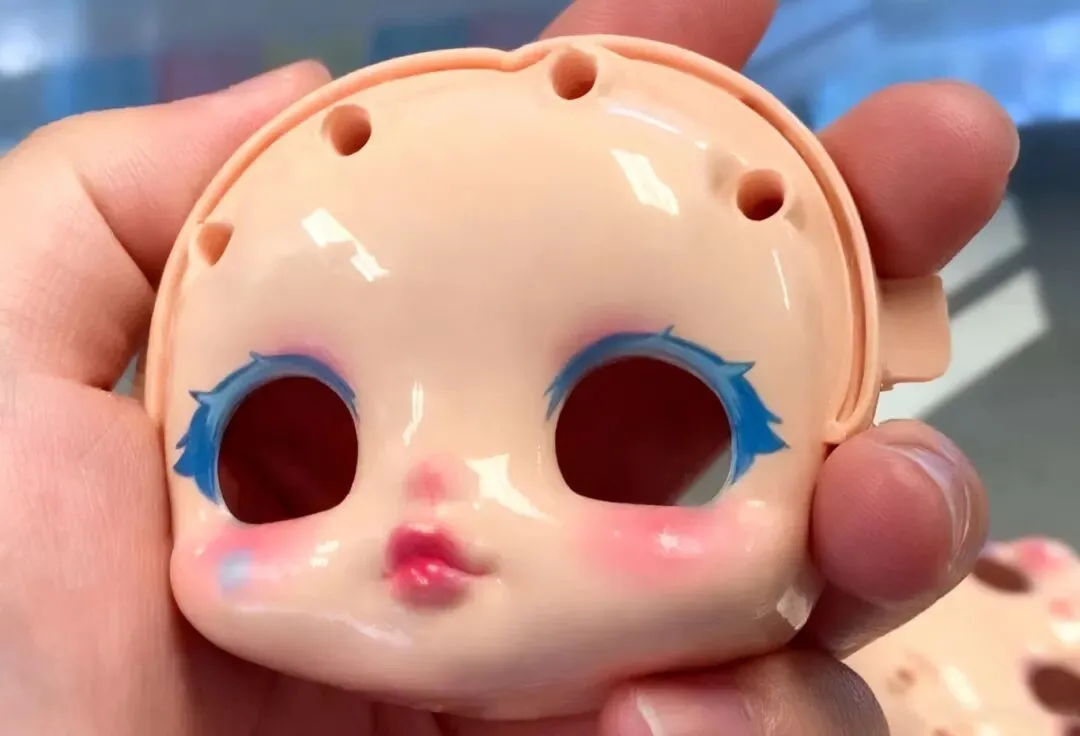
The printer must support high-drop printing capability.
This ensures the printhead can maintain stable movement across uneven surfaces, preventing issues such as:
- Ink misting
- Pattern blurring
- Misalignment on curved areas
A printer designed for high drop toy printing ensures clear graphics even on three-dimensional surfaces.
2. Analyze Order Structure and Production Efficiency
Once the printer’s basic capability is determined, the next step is to analyze your order structure.
Different order types require different production solutions.
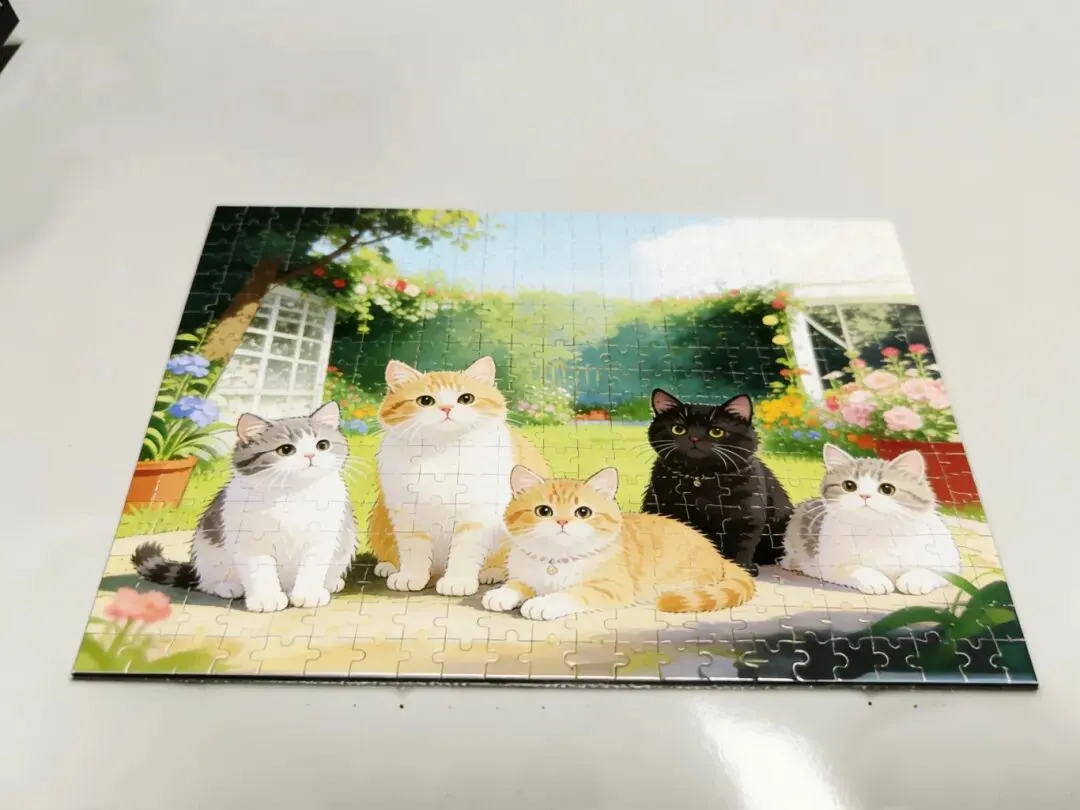
Large Orders with Single Product Types
If your factory mainly produces large-volume standardized toys, such as puzzle sets or identical toy components, traditional production methods remain efficient.
In these cases:
- Manual positioning
- Custom fixtures (jigs)
can already provide stable production with relatively low costs.
Because:
- Product specifications are consistent
- Production changeovers are infrequent
Adding vision positioning systems may not be necessary.
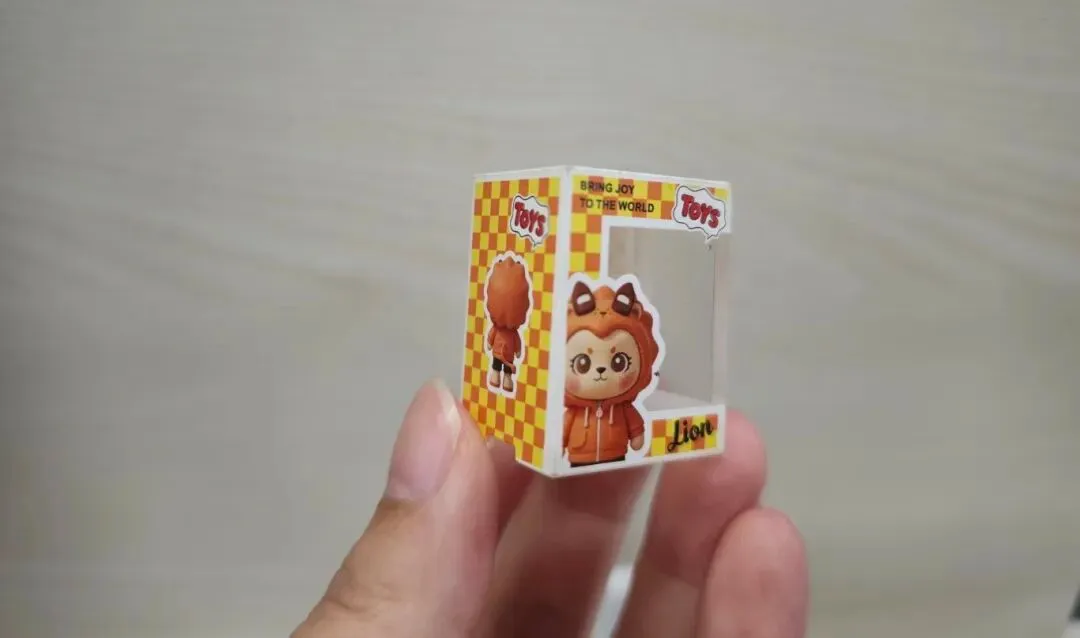
Small-Batch, Multi-Product Toy Orders
Many toy factories today are shifting toward customized toys and small-batch production, including:
- Mini figurine series
- Personalized toy gifts
- Limited edition collectibles
For these orders, traditional methods create several problems:
- Making fixtures for every irregular shape is costly
- Manual positioning is slow and error-prone
- Frequent production changeovers reduce efficiency
In such cases, vision positioning UV printers become a powerful solution.
Vision Positioning Technology Improves Production Efficiency
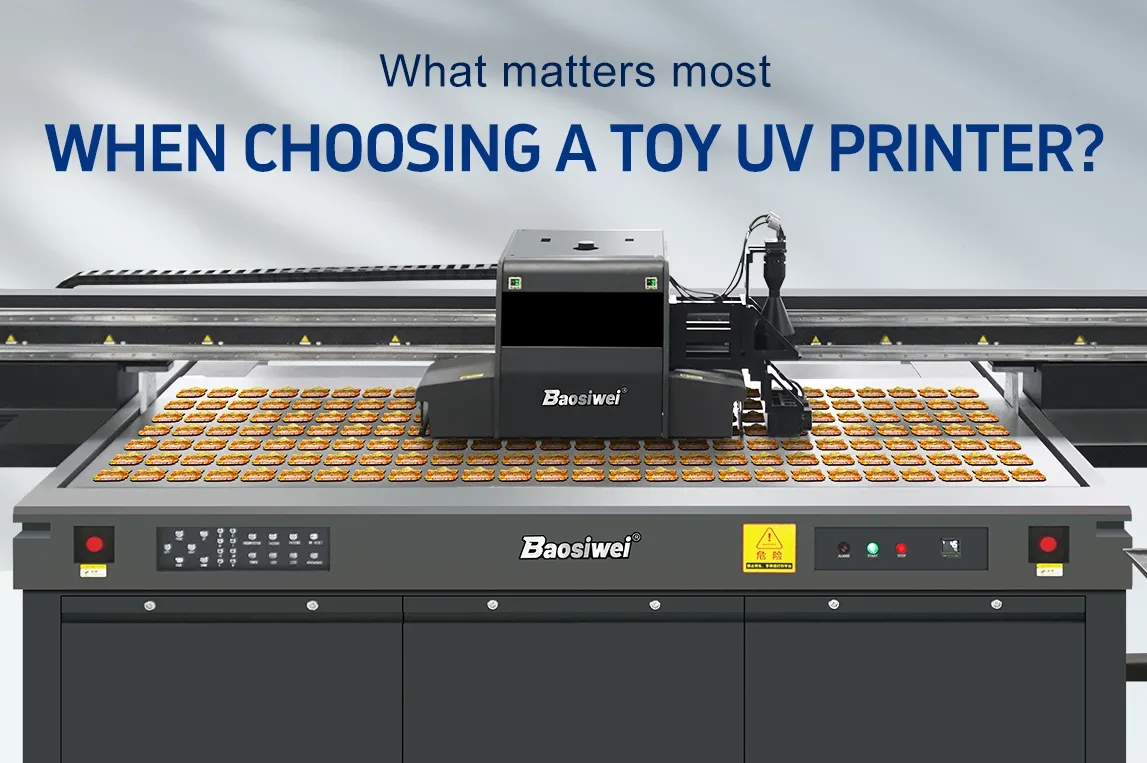
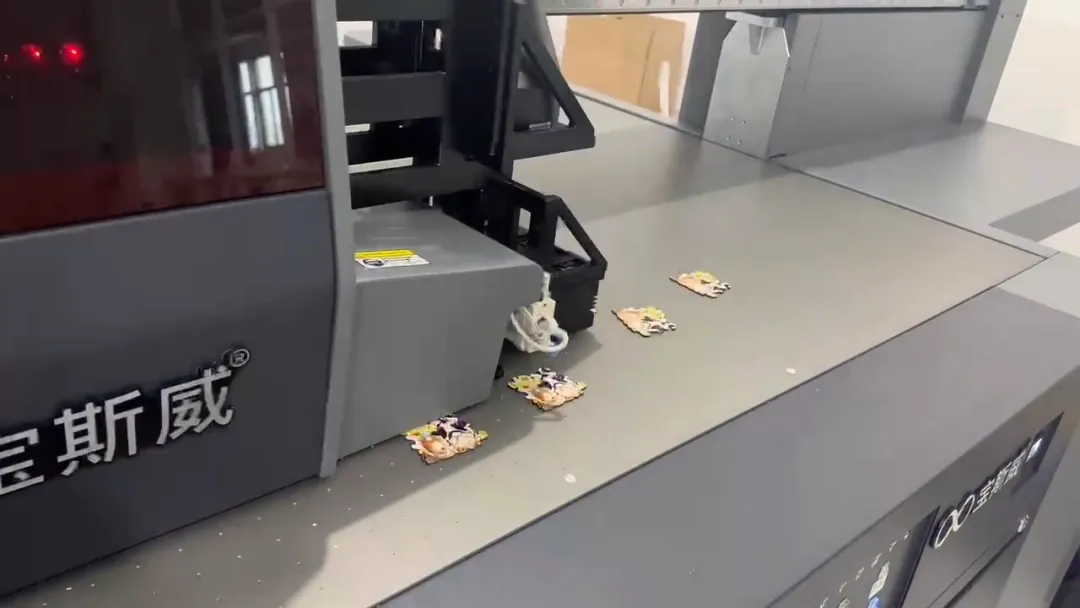
Baosiwei's vision positioning UV flatbed printers integrate an intelligent visual recognition system combined with magnetic levitation drive technology and industrial Ricoh printheads.
This enables several advantages:
Automatic Recognition
The system automatically detects the position and outline of each toy, eliminating the need for precise manual placement and reducing human error.
Multi-Pattern Printing in One Layout
When product heights are consistent, multiple toys with different shapes can be printed in the same layout with different designs.
This significantly reduces:
- Setup time
- Changeover time
- Labor costs
and greatly improves productivity for small-batch customized toy orders.
3. Practical Advice When Choosing a Toy UV Printer
Selecting the right machine is not only about specifications. A practical evaluation process is essential.
1. Sample Testing Is Essential
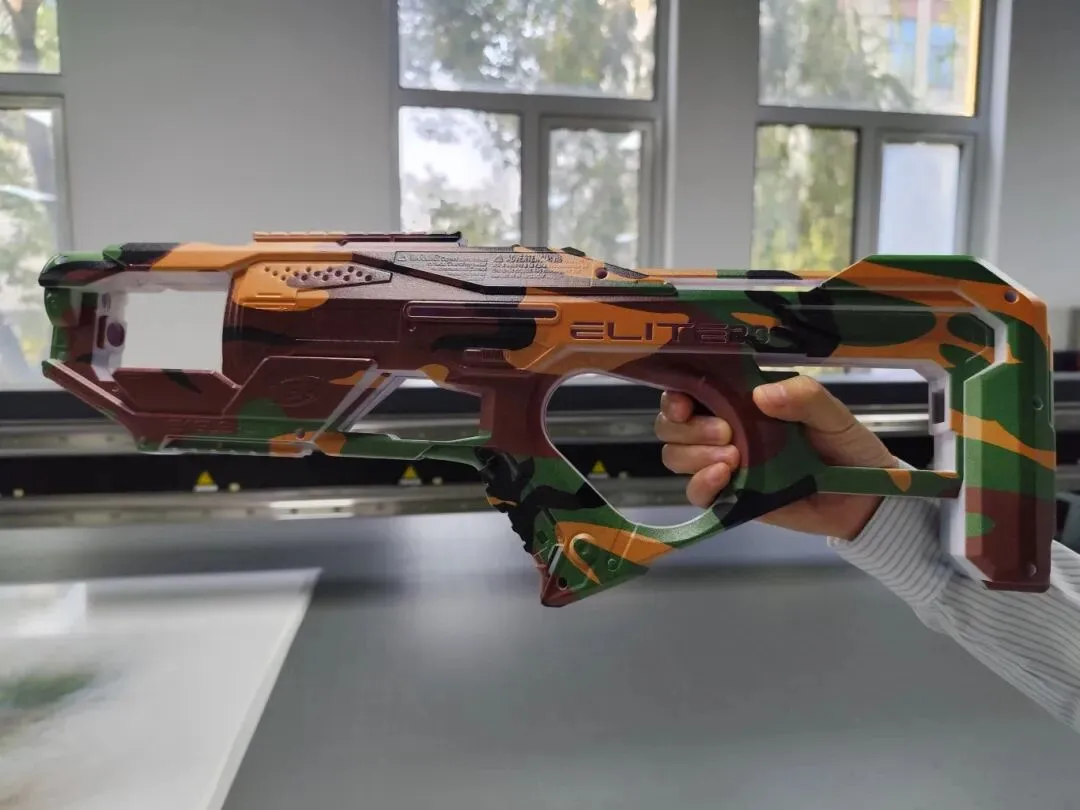
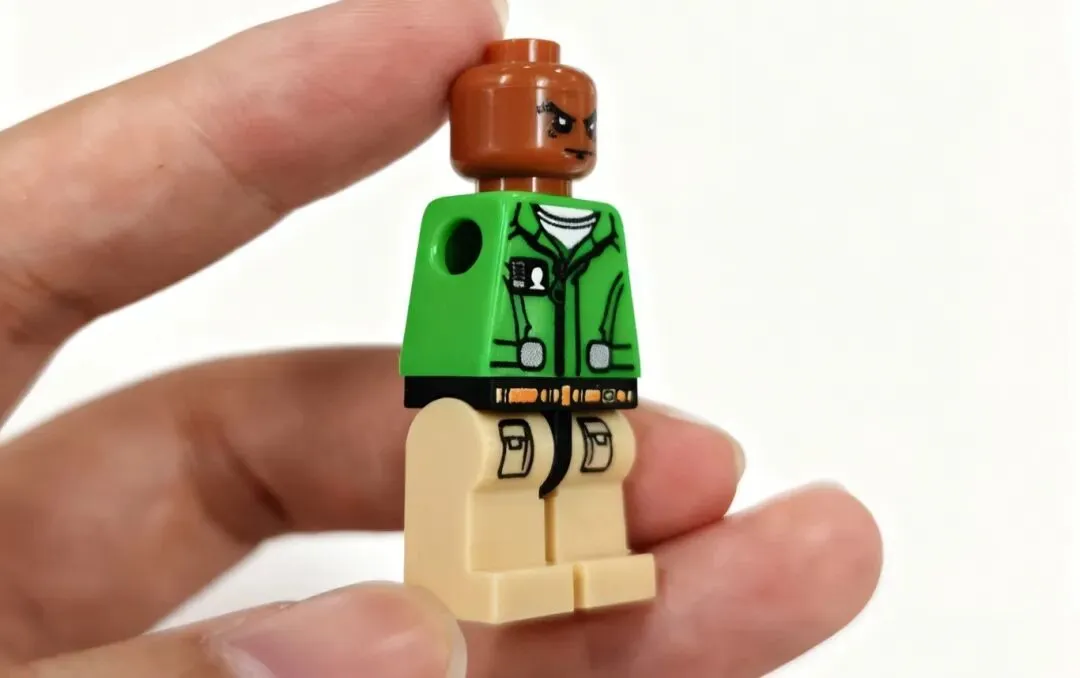
Before purchasing, bring 3–5 representative toy products to test printing.
During testing, focus on:
- White ink coverage on dark toy surfaces
- Color reproduction accuracy
- Alignment precision on irregular areas
- Adhesion and durability of the printed layer
Real sample testing helps verify whether the printer can meet actual production standards.
2. Evaluate Production Efficiency
Compare the time required for different production methods and calculate how much efficiency improvement a vision positioning system could bring.
Different printer models suit different production scales.
For example:
- 2513 UV Flatbed Printer Suitable for large toys or batch production of smaller items.
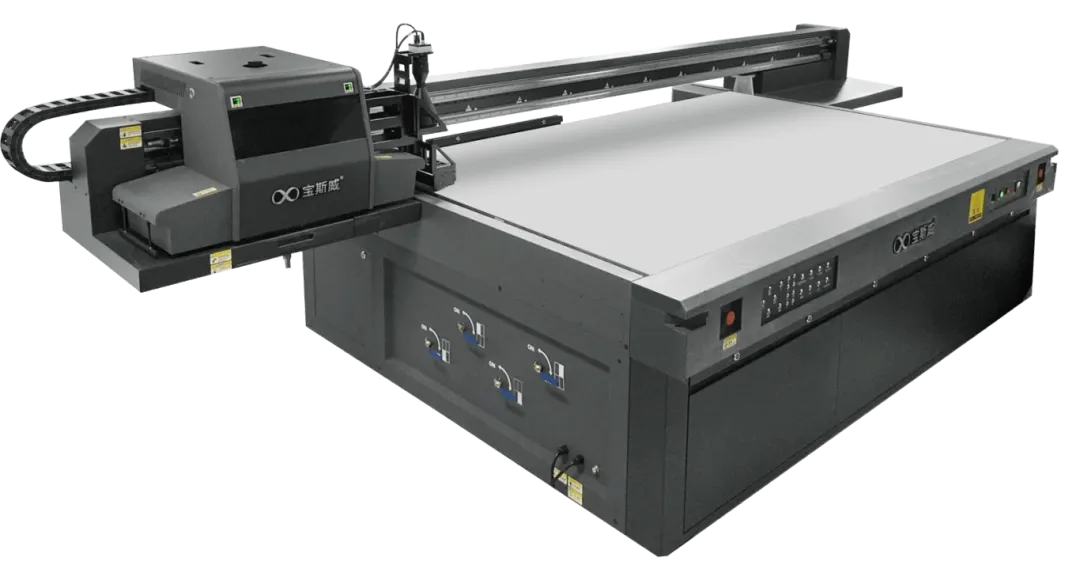
- 1612 UV Flatbed Printer A cost-effective option for small toy production lines.
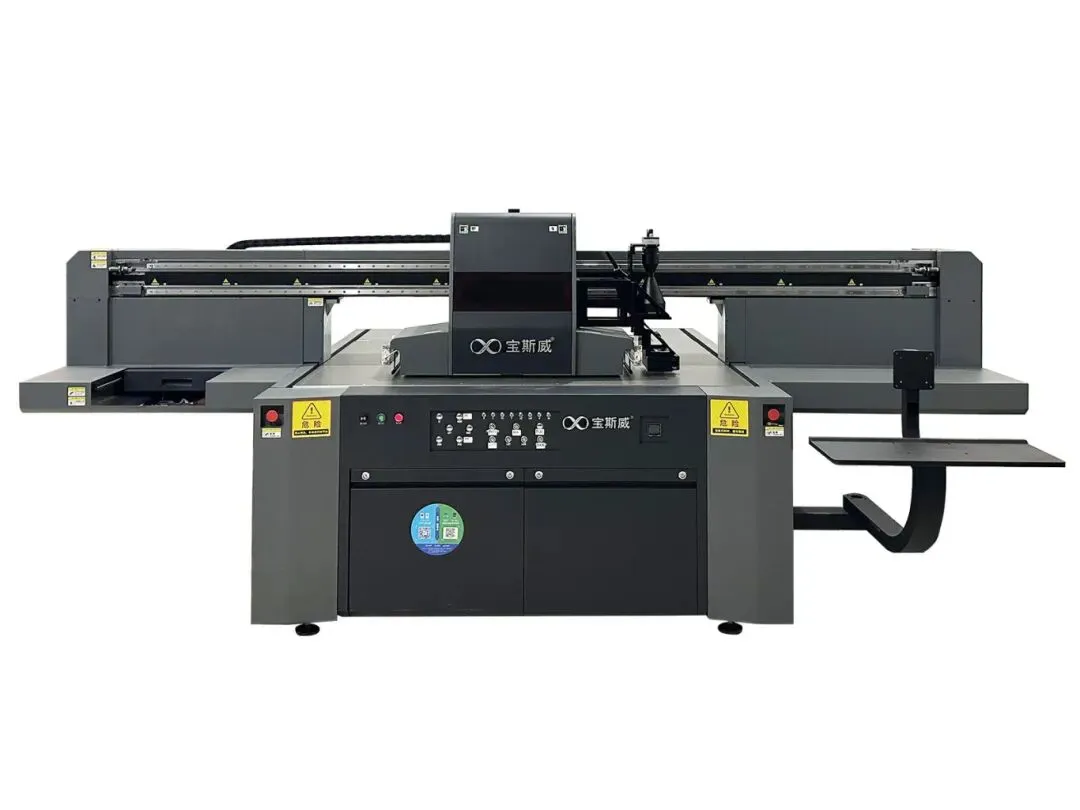
Vision-enabled models allow automatic positioning and multi-pattern printing, making them ideal for factories handling multiple toy designs with small order quantities.
3. After-Sales Support and Service
Industrial printers require long-term technical support, so evaluating the manufacturer's service capability is essential.
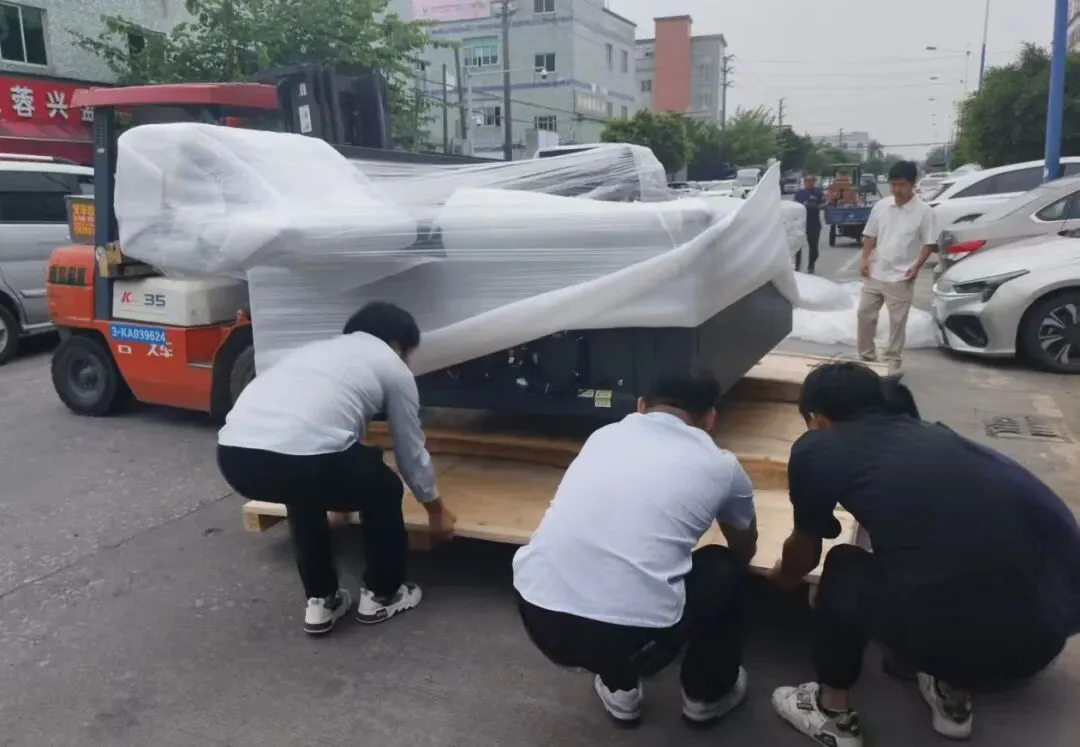
Key questions include:
- Does the manufacturer provide installation and operator training?
- How many service centers are available?
- How fast is the technical response time?
- Are there proven cases in the toy manufacturing industry?
- Is there on-site support during machine installation?
Reliable after-sales service ensures stable long-term production.
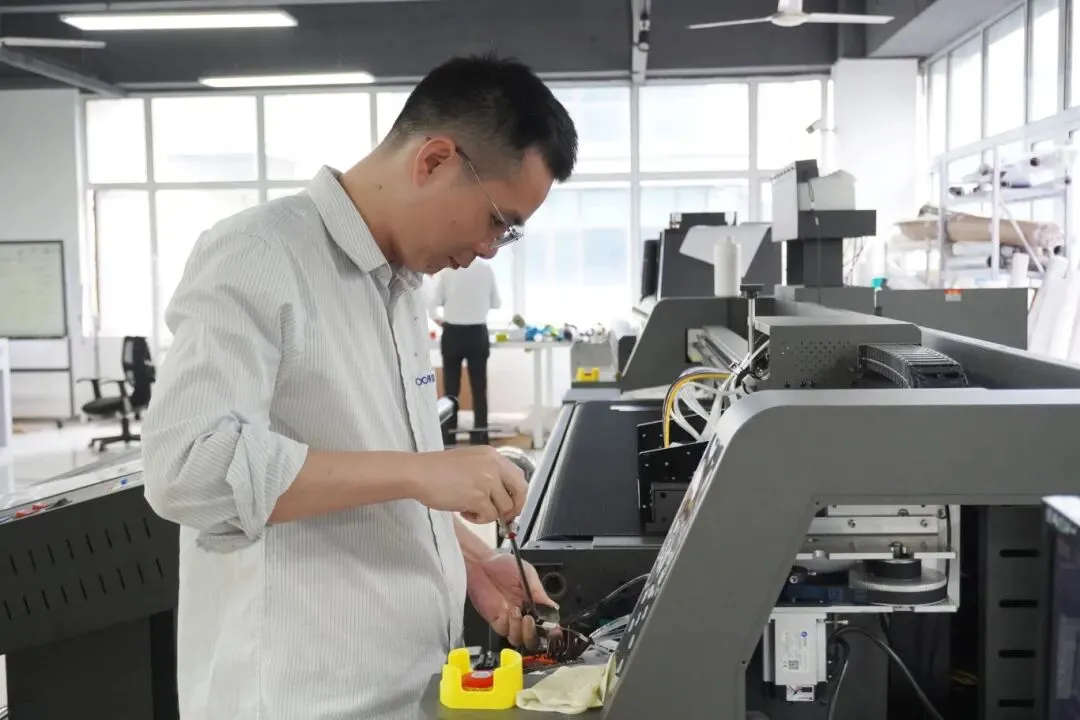
Baosiwei has established more than 20 service centers with professional technical teams, providing support from machine selection and installation to production optimization.
4. Final Thoughts
Choosing the right toy UV printer is essentially about matching machine capabilities with your product structure and order characteristics.
A practical selection process usually involves:
- Analyzing toy surface height differences
- Understanding order types and production volume
- Testing real samples
- Evaluating long-term service support
Following this approach can significantly reduce investment risks and ensure the printer truly improves your production efficiency.
Baosiwei provides a full range of industrial UV flatbed printers and vision positioning systems, allowing toy manufacturers to choose the most suitable solution for their products.
If you would like to test sample printing or learn more about toy UV printing solutions, feel free to contact us.