
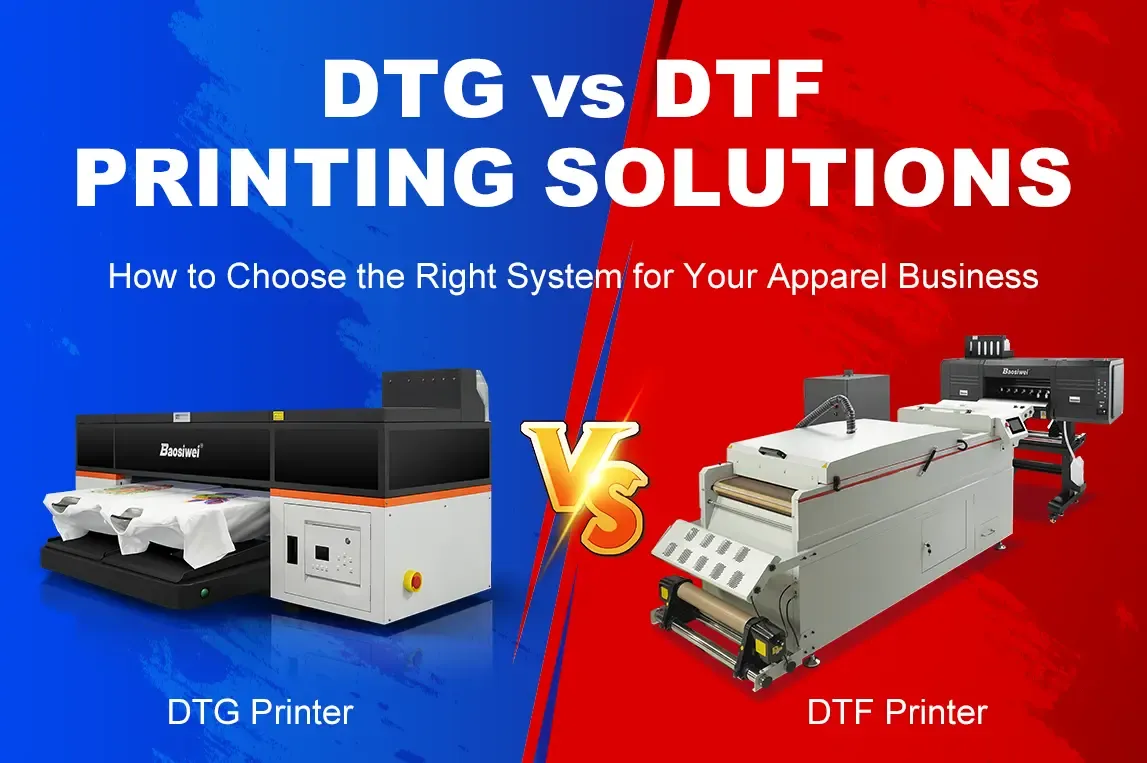
DTG vs DTF Printing Solutions: How to Choose the Right Production System for Your Apparel Business
DTG vs DTF Printing Solutions: How to Choose the Right Production System for Your Apparel Business
A Practical Guide for Garment Manufacturers, Custom Apparel Factories, and Growing Clothing Brands
Introduction: Printing Solutions Are Not Just About Technology — They Are Business Decisions
DTG and DTF are currently the two most widely adopted digital garment printing solutions in the global apparel industry. Both technologies deliver high-quality image output, but they serve very different production models, fabric types, and order structures.
For growing apparel brands, garment manufacturers, and large-scale factories, choosing between DTG (Direct-to-Garment printing) and DTF (Direct-to-Film transfer printing) is not merely a comparison of print quality — it is a critical production system decision.
Your choice will directly impact:
- Product range and fabric compatibility
- Production cycle and delivery speed
- Cost per unit
- Scalability and expansion capability
- Long-term profitability
Many customers visit factories asking:
“Which printing solution is better?”
Others focus on capacity growth and ask:
“Which printing system can help me increase my order volume?”
DTG and DTF are both mature and reliable digital printing technologies, but they serve different production scenarios. Understanding how each system affects workflow, cost structure, and growth strategy is far more important than simply comparing sample colors.
This guide is written for:
- Garment factories investing in long-term industrial production
- Apparel manufacturing facilities processing daily production orders
- Clothing brands building their first production line
If you are planning to invest in equipment, expand capacity, or improve delivery performance, this guide will help you make a correct and sustainable printing system decision.
What Is DTG Printing?
DTG (Direct-to-Garment printing) is a digital textile printing process that prints designs directly onto garments such as T-shirts, hoodies, and tote bags without the need for screens, plates, or transfer media.
The system applies pretreatment liquid to the fabric surface, allowing ink to penetrate and bond with the textile fibers. The result is a soft, breathable print that feels integrated into the fabric itself. DTG is especially suitable for small-batch, on-demand production and high-detail full-color designs.
DTG Printing Workflow
- Design Preparation Create or import design files and adjust color profiles and print size.
- Pretreatment Apply pretreatment to cotton or cotton-blend garments to ensure proper ink bonding, especially for dark-colored fabrics.
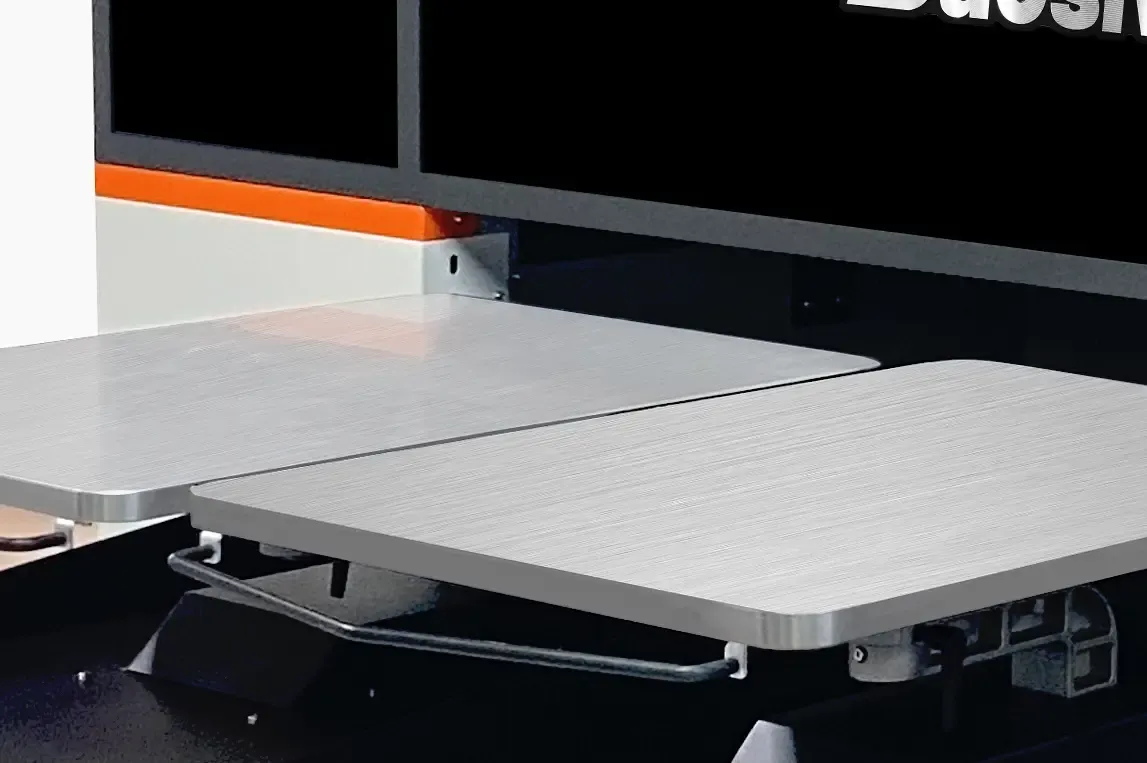
- Direct Printing Use a dual-station DTG printer to print the design directly onto the garment.
- Curing Fix the ink through heat curing to ensure wash durability and abrasion resistance.
Advantages of DTG Printing
- Ideal for single-piece and small-batch production
- High-resolution output with excellent color accuracy
- Perfect for customization and personalization
- Soft, breathable, premium garment feel
What Is DTF Printing?
DTF (Direct-to-Film printing) is a digital transfer printing solution that has rapidly gained popularity due to its wide fabric compatibility and high production efficiency.
The design is first printed onto transfer film, then coated with hot-melt powder and transferred to the garment using heat and pressure. The result is a highly durable, vibrant print with strong adhesion and excellent wash resistance.
Unlike DTG, DTF printing is almost independent of fabric type or color. It works on cotton, canvas, polyester, nylon, blends, and even leather, making it one of the most scalable industrial garment printing solutions available today.
DTF Printing Workflow
- Design Creation Prepare artwork files including text, images, or composite graphics.
- Film Printing Print the design onto transfer film using a DTF white-ink printer.
- Powder Coating and Pre-Curing Apply hot-melt adhesive powder evenly and pre-cure with heat.
- Heat Press Transfer Transfer the design onto the garment using a heat press machine.
- Film Peeling Remove the transfer film to reveal the final printed result.
Advantages of DTF Printing
- Compatible with a wide range of fabrics and materials
- Bright, vibrant colors ideal for high-contrast designs
- Strong adhesion with excellent wash durability
- Highly efficient for mass production with pre-printed transfers
DTG vs DTF: Industrial Printing System Comparison
| Comparison Dimension | DTG Direct-to-Garment Printing | DTF Direct-to-Film Printing |
|---|---|---|
| Order Volume | Best for single-piece and small batches | Suitable for both small and large batches |
| Print Appearance | Soft, integrated into fabric | Vibrant with slight raised texture |
| Hand Feel | Soft and breathable | Slightly thicker on large print areas |
| Design Complexity | Excellent for photos, gradients, fine details | Excellent for multi-color designs, limited for ultra-fine gradients |
| Fabric Compatibility | Best for cotton and high-cotton fabrics | Works on almost all mainstream fabrics |
| Durability | Ink penetrates fibers, highly resistant to cracking | Surface layer may crack over very long-term use |
| Production Speed | Very fast for single-piece delivery | Slightly slower per piece, very fast for batch production |
Conclusion: Build the Right Printing Production System for Your Apparel Business
Choosing between DTG and DTF is not simply a matter of equipment selection — it defines your future production efficiency, cost structure, and scalability.
If you are planning to build a garment printing line, expand capacity, or establish a stable on-demand production system, partnering with an experienced industrial equipment manufacturer is essential.
Baosiwei has delivered complete industrial DTG and DTF printing solutions for garment factories, apparel manufacturers, POD sellers, and large clothing brands worldwide.
From equipment configuration and process design to capacity planning and long-term operation, our engineering team helps you build a printing system that truly matches your business growth strategy.
Contact Baosiwei to ge
- Professional printing solution consultation
- Equipment configuration and production line planning
- Capacity calculation and cost evaluation
- Long-term technical support and service
👉 Contact Baosiwei engineers today to get your customized garment printing solution.