
How to Choose a Leather Printer in 2026’s Low-Margin Era
How to Choose a Leather Printer in 2026’s Low-Margin Era
4 proven production scenarios to match the right printing setup
In 2026, leather goods manufacturing is increasingly defined by thinner margins and tougher expectations: faster delivery, more stable output, and tighter quality control—with less room for rework. In this environment, “a little better” often means “significantly more profitable.”
If you’re planning to add a new leather printer or upgrade your current setup, the most reliable approach is not to chase a single “best machine.” Instead, start with your real production constraints—order structure, material mix, quality thresholds, and compliance expectations—then choose the printing process + ink system + workflow that fits.
To make that decision easier, this guide breaks down four real-world production scenarios and the printing solutions typically used to hit their targets—whether that’s quick turnaround for customization, stable capacity for batch production, premium-brand durability, or high-output industrial supply.
Market context: Global leather goods demand remains large and competitive, which tends to push factories toward faster cycles and tighter costs. Grand View Research estimates the global leather goods market at USD 266.82B in 2024 and USD 282.08B in 2025, with continued growth projected.
Before you pick a machine: define your “non-negotiables”
Most leather printing projects fail (or underperform) for one reason: the machine was chosen before the factory defined what truly matters. Use this short checklist:
- Order type: custom small batches vs. stable batch orders vs. premium brand production vs. industrial supply
- Material reality: smooth PU, textured PU, genuine leather, coated surfaces, different thicknesses, uneven surfaces
- Color reality: mostly light materials vs. frequent deep colors (black/brown/navy)
- Quality risks you must eliminate: scuffing, color migration (rub-off), banding/uneven density, cracking on bending
- Compliance & workplace requirements: low odor, low emissions, safer indoor production
- Throughput target: required m²/h, shift schedule, operator count, automation level
- Workflow tolerance: direct printing vs. transfer workflow (film printing + transfer)
With that, you can match the right setup from the scenarios below.
Scenario 1: Custom e-commerce orders
Mixed leather colors, fast delivery, minimal waiting time
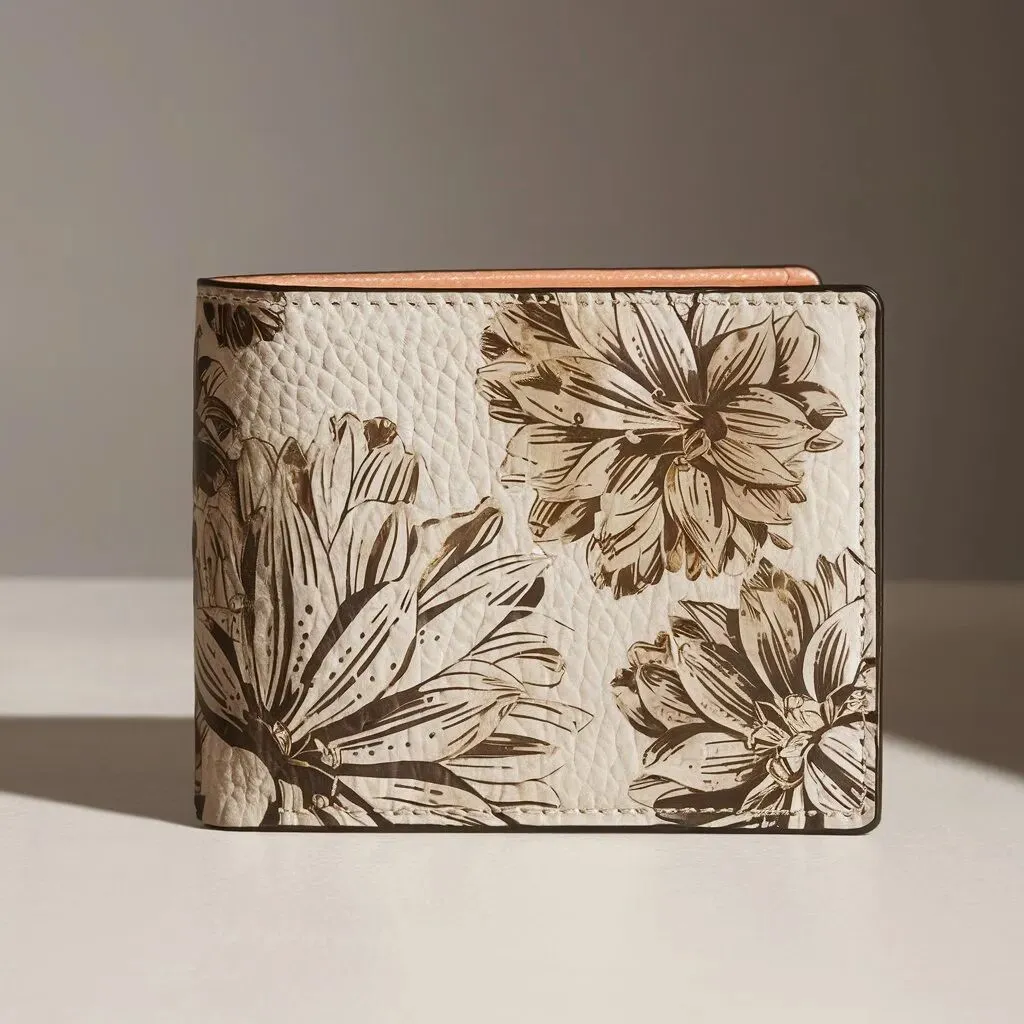
Typical reality: You produce small leather items—wallets, small bags, card holders—often customized. You print both dark and light materials. The business depends on turnaround speed, and late shipping hurts you more than almost anything.
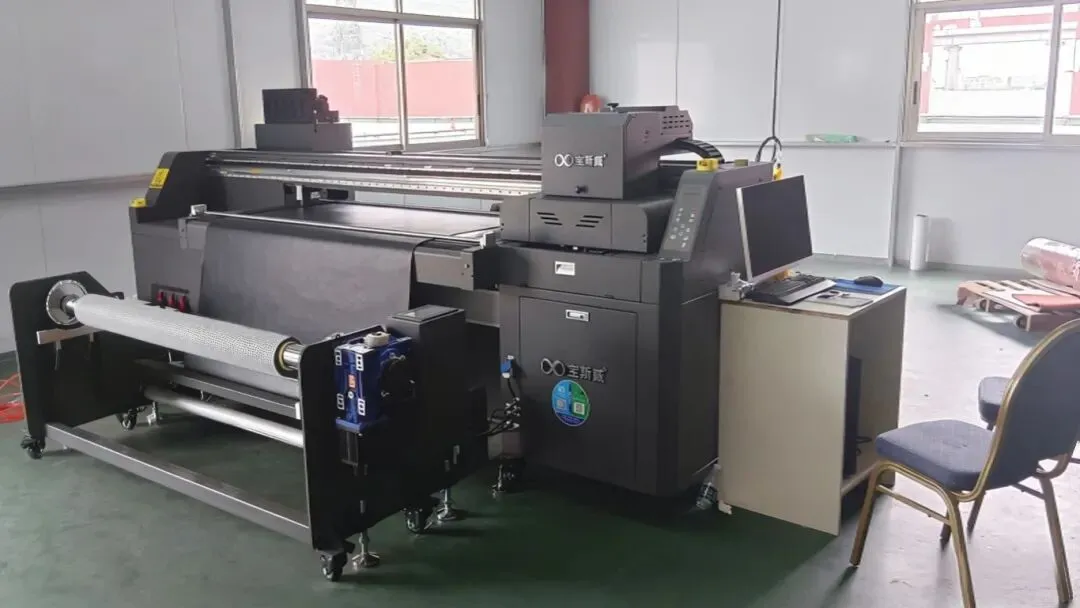
Common solution: 8-head UV belt printer
Why it fits this scenario:
- Instant curing: UV prints dry immediately, helping reduce waiting time and post-processing steps.
- Stronger dark-color appearance: High-density UV ink systems are often chosen to keep prints vivid on darker surfaces.
- Workflow advantage: Print → handle → pack, with fewer production pauses.
Best for: high-mix, low-to-mid volume, fast-turn jobs where time is the bottleneck.
Scenario 2: Stable batch production
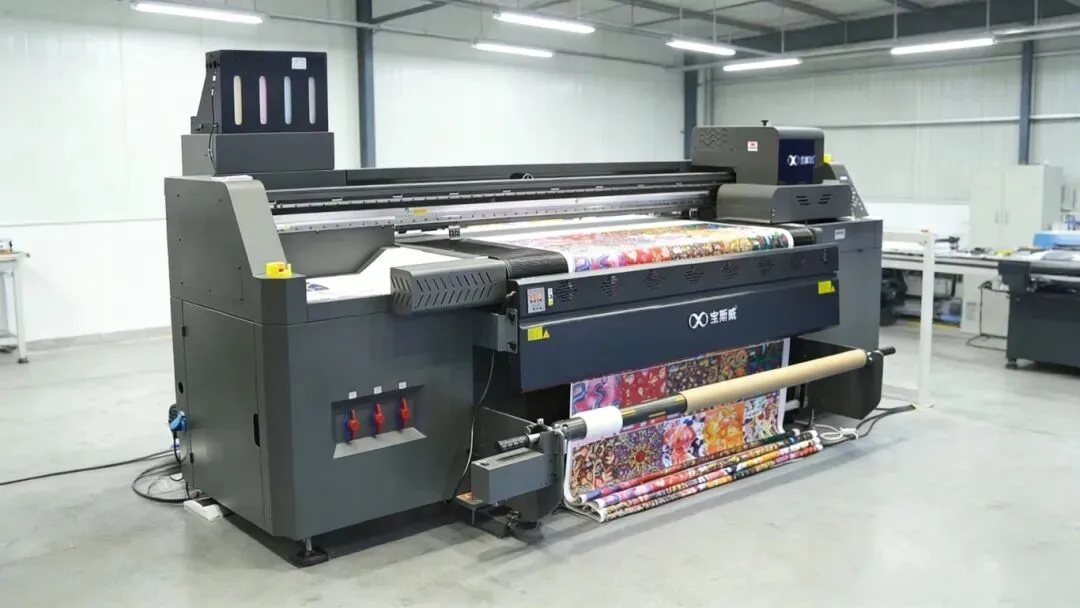
Capacity + consistency, while reducing odor and common quality issues
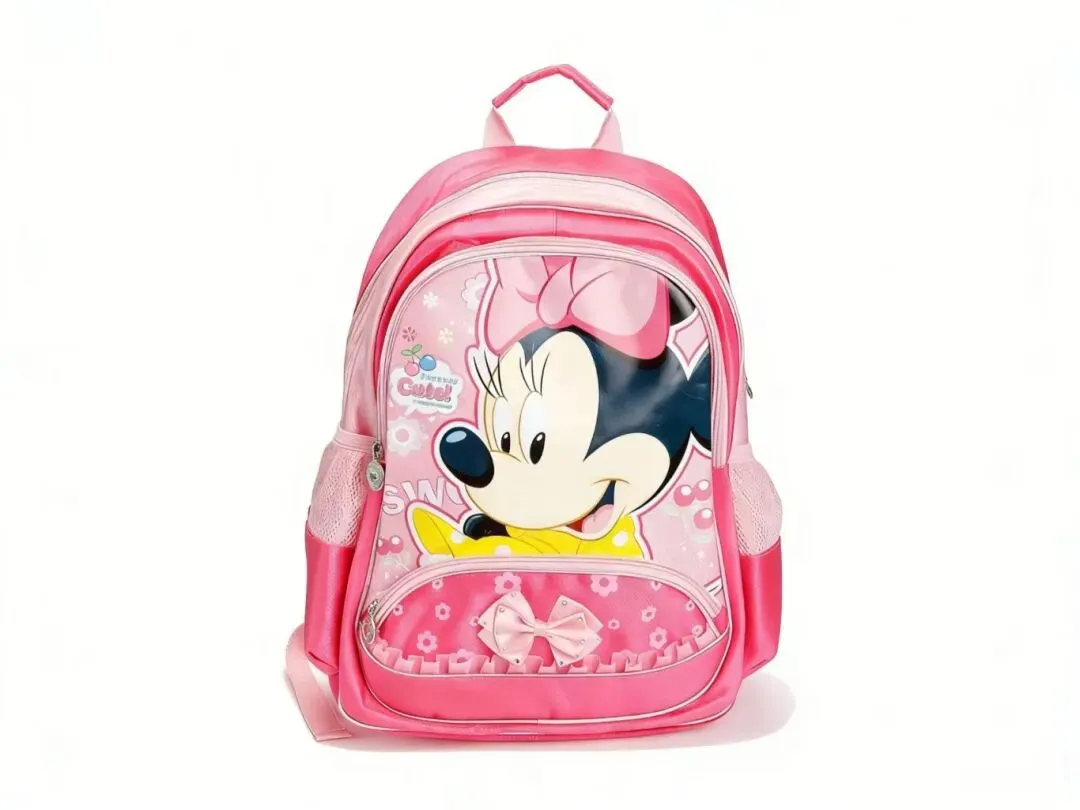
Typical reality: You supply dealers or distributors with stable volume orders (e.g., backpacks, school bags). Your priority is consistent throughput over long runs. At the same time, you want fewer quality complaints related to rub-off, uneven density, or material-related defects—especially when production scales.
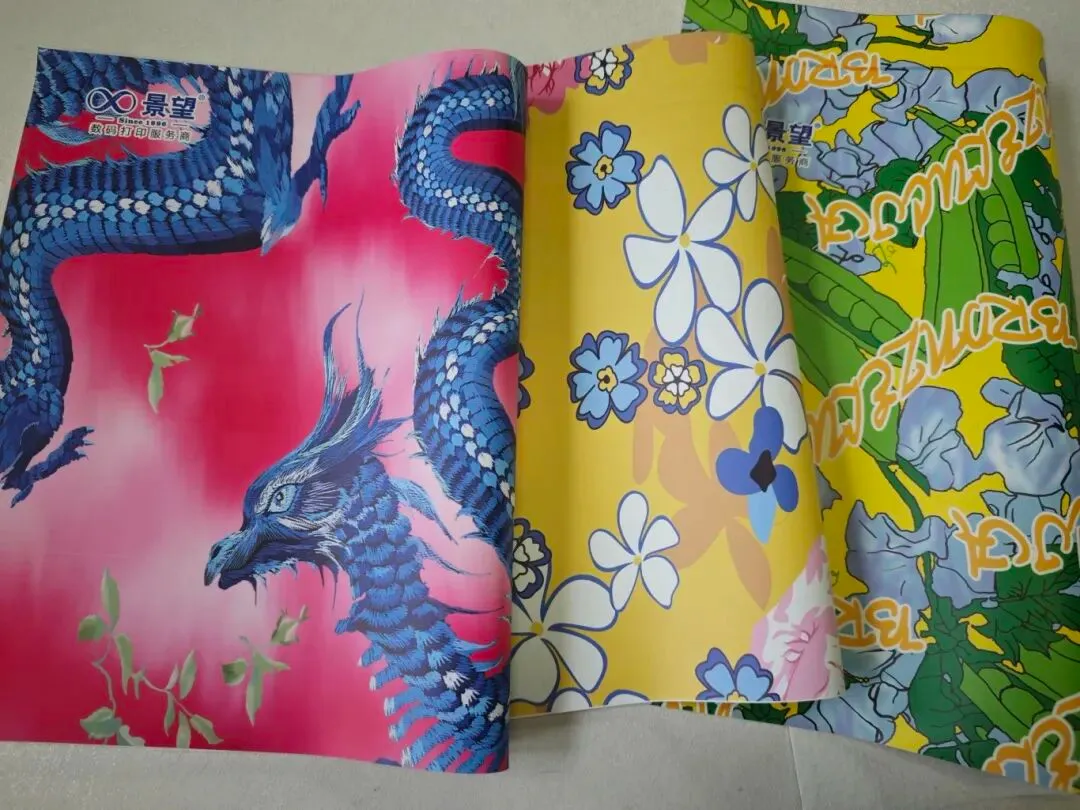
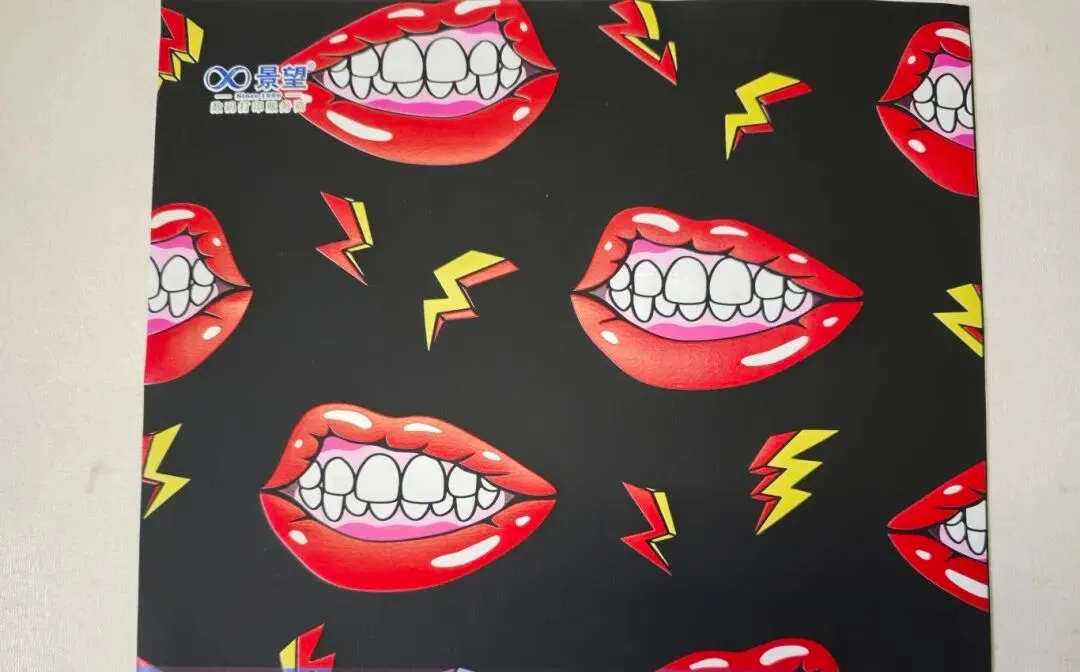
Common solution: 8-head eco-solvent belt printer + dedicated leather ink
Why it fits this scenario:
- Built for continuous feeding: Belt systems are widely used for long runs and repeatability.
- High throughput potential: Configurations in this class are often used for industrial batch output (example spec: up to 120 m²/h, depending on mode and material).
- Improved control of known issues: With leather-specific ink and process tuning, factories often target: Color migration / rub-off risk Banding or uneven density (sometimes described as light/dark streaking)
Best for: batch factories that need consistent daily production and a stable “quality floor.”
Scenario 3: Premium brand requirements
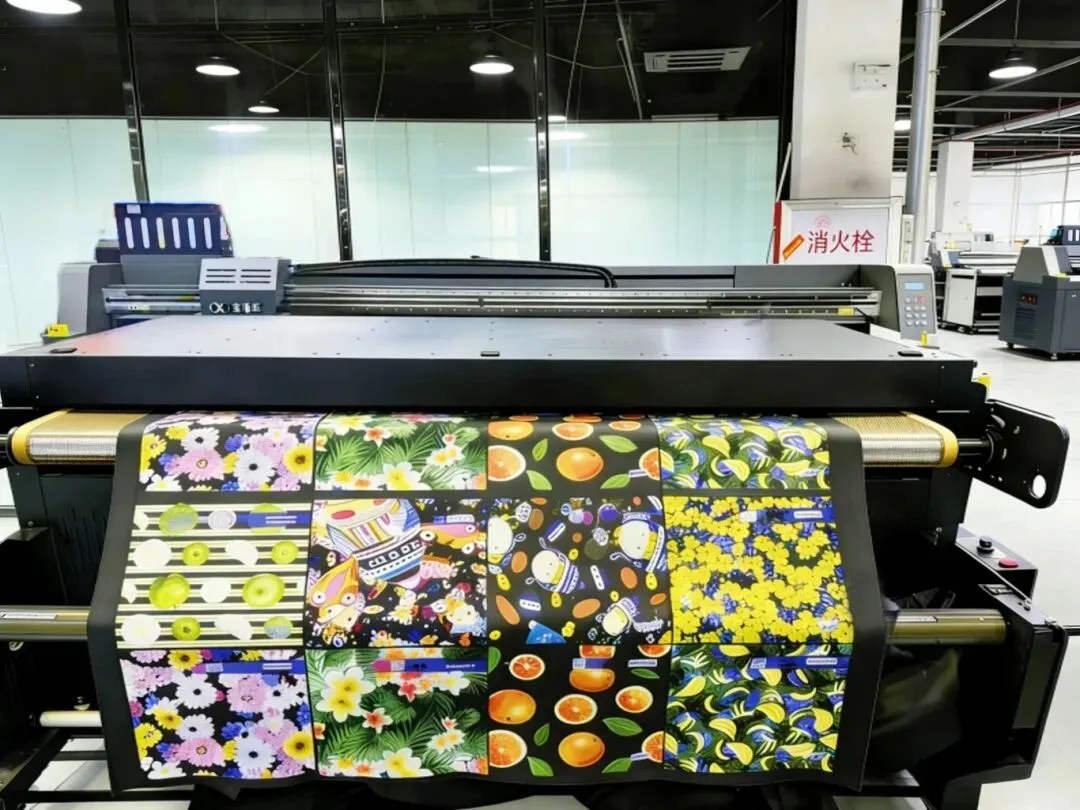
Low odor, preserve leather feel, plus durability (water/oil/scuff resistance)
Typical reality: You produce for premium brands. They care about the customer experience: the leather should still feel like leather, prints should not smell strong, and finished products must survive real use—bending, low temperatures, friction, water/oil exposure.
Common solution: Latex printing system
Why it fits this scenario:
- Water-based ink family: Often selected for lower odor and more comfortable shop environments.
- “Low feel” printing: Many premium buyers want minimal texture change so the leather’s original feel remains.
- White ink support: Helps maintain clean color reproduction on dark materials.
- Durability focus: With proper process control, factories aim for bend resistance without whitening or cracking.
Compliance note: Many latex ink systems in large-format printing highlight third-party certifications for emissions and environmental criteria. For example, HP Latex inks (models vary) reference certifications such as UL ECOLOGO® in their sustainability materials.
Best for: premium, compliance-sensitive production where feel + durability are deal-breakers.
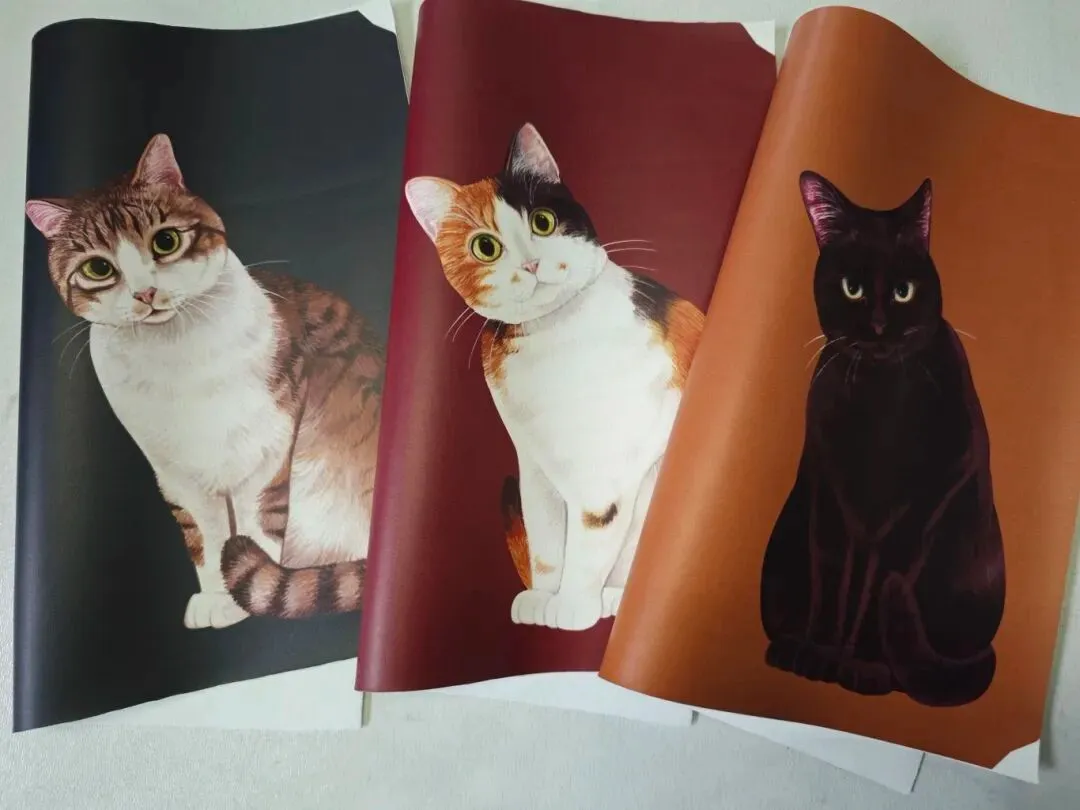
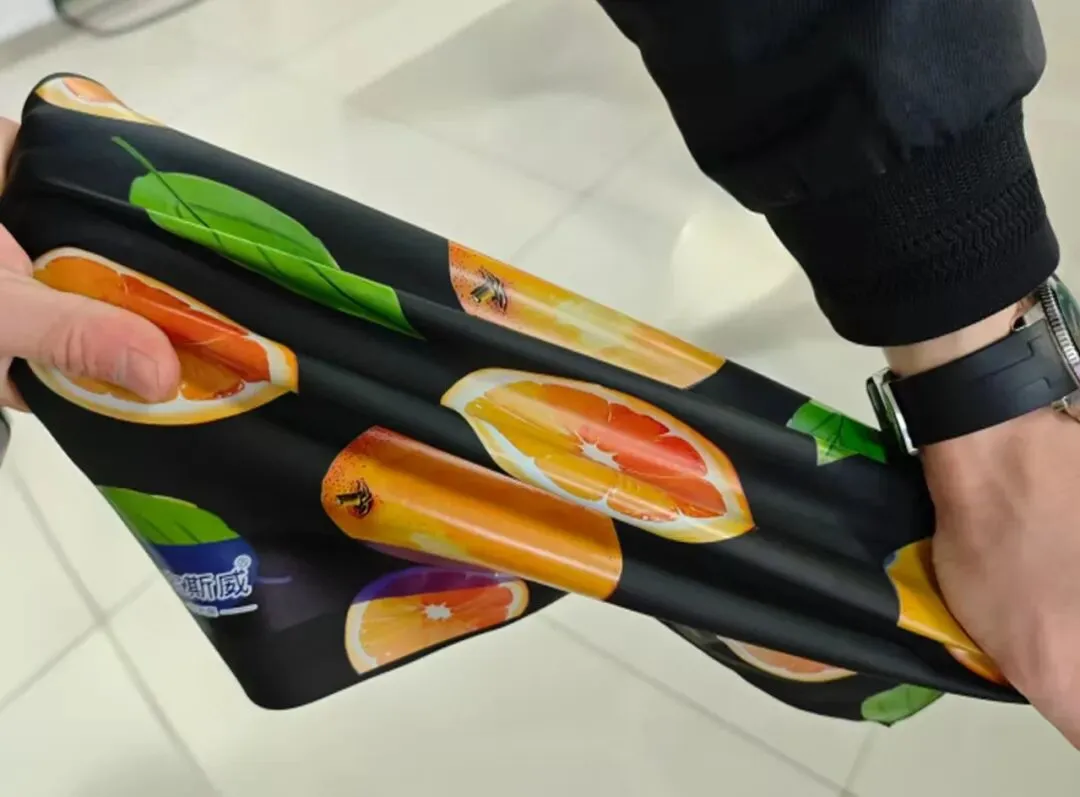
Scenario 4: Industrial printing lines and large suppliers
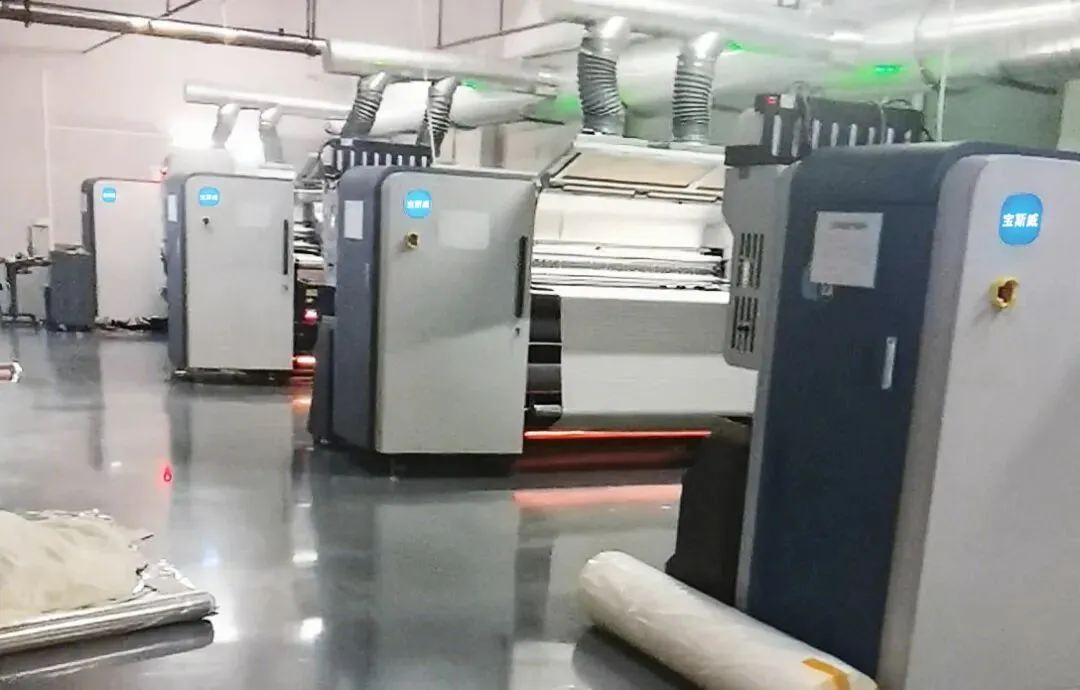
High output + high precision, better tolerance to uneven substrates, strong surface performance
Typical reality: You supply multiple downstream factories (bags, desk mats, accessories). Output is everything—but quality still has to be good enough for demanding customers. Substrate variations are common, including textured surfaces or materials that are not perfectly flat.
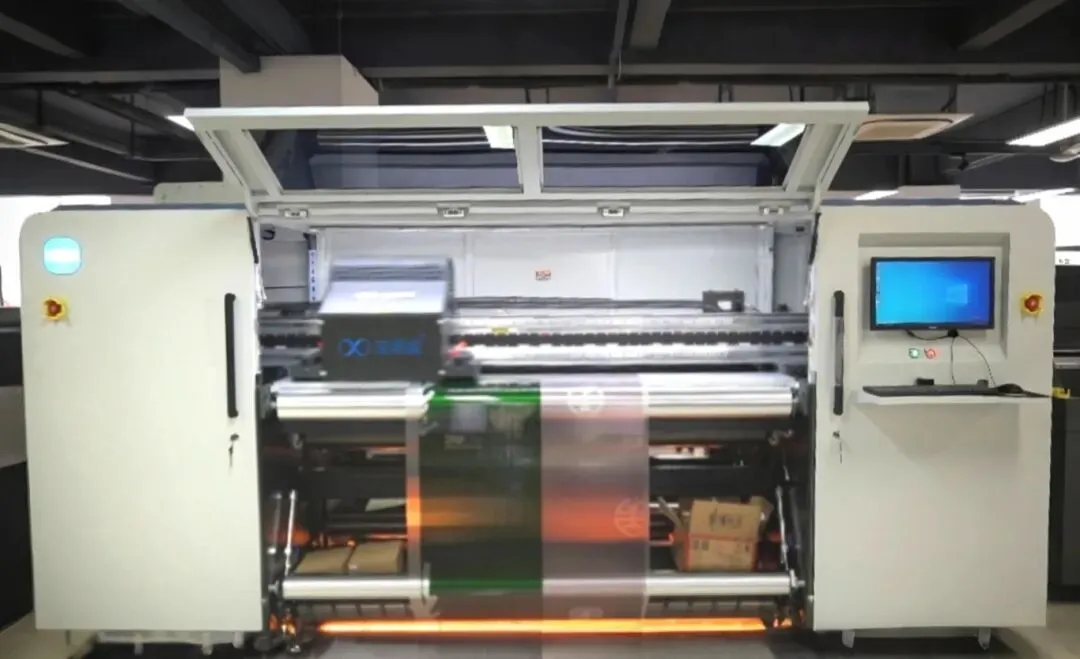
Common solution: PET film printing + transfer (film printing workflow)
Why it fits this scenario:
- High-output workflow: Systems designed with long unwind/rewind capability are often used for extended production windows (example spec: up to 280 m²/h, depending on mode).
- Precision on challenging materials: Printing on film first can reduce dependency on substrate flatness, improving detail and color consistency.
- Strong adhesion + surface performance: After transfer, factories often target stronger surface behavior such as water/oil resistance and scuff resistance, while streamlining post-processing.
Best for: large-scale operations that prioritize throughput and need more process tolerance.
Quick decision guide (use this if you’re in a hurry)
Choose your “primary constraint,” then match:
- Fast turnaround / instant handling → UV belt printing
- Daily stable batches / long runs → Eco-solvent belt + leather ink
- Premium brand feel + low odor → Latex system
- Highest output + better tolerance to texture/flatness → PET film printing + transfer
What to prepare before requesting a sample test or quotation
If you want accurate recommendations (and avoid back-and-forth), prepare:
- Your product list (bags, wallets, mats, etc.)
- Your materials (PU, genuine leather, coated surfaces) + photos of texture
- Dark color ratio (how often you print black/brown/navy)
- Durability expectations (bend, abrasion, water/oil, temperature)
- Target throughput (m²/h) and shift schedule
- Compliance constraints (odor/VOC expectations, market requirements)
We can then advise the most suitable setup and workflow for your factory conditions, and arrange a remote demo or sample test based on your real materials.
FAQ
Can one leather printer cover every leather application?
In most factories, no. Leather varies widely by texture, coating, thickness, and end-use durability requirements. Many manufacturers choose a setup based on their main product line and add a second process when they expand.
UV vs. eco-solvent vs. latex: which is “best”?
There is no universal “best.” UV is often chosen for instant curing and fast handling; eco-solvent is widely used for batch production stability; latex is often selected where low odor and premium feel matter most.
Why use PET film printing and transfer instead of direct printing?
Printing on film first can reduce dependency on substrate flatness and help maintain detail and color consistency on textured or variable materials, while supporting high-throughput workflows.